
- Art of Wellness Acupuncture & Traditional Chinese Medicine (TCM)11704 Wilshire Blvd, Suite 295, Los Angeles, CA, 90025
myartofwellness@gmail.com310-451-5522 - Sign up to receive news and updates and get my free report:“The Top 10 Reasons to Try Acupuncture”

Back Pain
How to Treat Dysmenorrhea With Acupuncture and TCM
By Xiaomei Cai, L.Ac., Ph.D. & Qineng Tan, L.Ac., Ph.D.

Menstrual cramps, unbearable period pain? Severe period cramps and period back pain are dysmenorrhea symptoms. Acupuncture and TCM offer a way to help with cramps and provide period cramp relief.
About 80% of women report having menstrual cramps and painful periods at some point in their lives. Over 40% of women regularly experience PMS cramps, or cramps before period. For some women, the pain is mild enough to tolerate. For others, severe period cramps are truly debilitating, leading to missed days of school or work.
Primary dysmenorrhea is when the period cramps are a result of prostaglandins (hormones) causing the uterus to contract forcefully to expel its lining. For some people, this action leads not only to pelvic pain, but can radiate to cause severe lower back pain, hip pain, or even pain in the legs.
Secondary dysmenorrhea is when severe menstrual cramps are related to another condition, such as endometriosis, uterine fibroids, or pelvic inflammatory disease (PID). About 1 in 10 women between the ages of 15-49 experiences endometriosis, which can cause excruciating pelvic pain during period, and negatively impact fertility. As many as 60-80% of women have fibroids, although many do not know it.
The severe period cramps may feel like a constant ache in the lower abdomen, or more like a gripping or throbbing pain that comes and goes.
Acupuncture and TCM offer an alternative way to treat period cramps and get period pain relief.
Top 5 Dysmenorrhea Symptoms

In addition to menstrual cramps and back pain during the period, some women experience other symptoms of dysmenorrhea, including:
Some women also experience vaginal cramps or ovary pain during period. This may be due to inflammation or scar tissue around the ovaries or ovarian cysts swelling.
How to Help Period Cramps
Generally, doctors will treat dysmenorrhea OTC pain medication, or NSAIDs like Ibuprofen, to relieve menstrual cramping due to primary dysmenorrhea. They may prescribe hormonal birth control, such as oral contraceptives (birth control pills), birth control patch, birth control implant, injection, or vaginal ring.
Hormonal birth control helps relieve period pain because it blocks ovulation and reduces the amount of prostaglandins being produced. However, this medication is not particularly helpful for those who may wish to get pregnant, or those who experience unpleasant side effects from birth control.
Possible Side Effects of Hormonal Birth Control
Many people may find that hormonal birth control causes side effects such as:
Potentially serious side effects may be more common the older a woman is, or the longer she remains on birth control; these could include: blood clots, gallbladder disease, heart disease, or even stroke.
If severe menstrual cramps are not relieved with pain medication, further investigation may be done to determine if there is some other condition causing pelvic pain.
Endometriosis is also usually treated with pain medications and contraceptives, or with Nupron, which suppresses the period. In severe cases, surgery may remove the patches of endometrial tissues. However, with both of these treatments, the endometriosis and severe period pain often come back.
Birth control, pain medications, and even surgeries may temporarily reduce painful cramps, but they are only masking the deeper problems. TCM and acupuncture can help get rid of menstrual cramps because they address the root cause of the pain.
Can Acupuncture Help Get Rid of Period Cramps?

In TCM, we look at organ systems as working together in harmony. Pain usually occurs because there is some imbalance in one or more of the major organ systems. Dysmenorrhea is usually considered to be related to Qi and/or blood stagnation, and often a deficiency of the kidney, liver, or both. In TCM, the liver controls the storage and distribution of blood, so it is central to the process of menstruation.
Dampness and cold are pathogenic forces that can be disruptive to the smooth flow of Qi related to menstruation. Being in a cold, damp place or eating too many cold or damp foods can cause blood stagnation in the abdominal area that leads to painful cramps.
Emotions can also play a significant role, as in TCM we see feelings of anger or depression causing liver stagnation. Deficiency of Qi can happen when a woman has gone through a lot, emotionally and physically, possibly through giving birth, or having stresses put on the reproductive organs.
Scientific research has shown that acupuncture has an effect on the production of key hormones like serotonin, estrogen and progesterone. When we use acupuncture points to balance the function of the liver, kidney, and other organ systems, these chemical changes occur naturally. We also use herbs to get vital nutrients into the blood that we can’t get from food.
Acupuncture is effective for treating conditions like endometriosis, uterine fibroids, ovarian cysts, and PCOS, as well.
Acupuncture treatment and herbal remedies for endometriosis and fibroids have been shown to reduce prostaglandin levels, which helps to relieve painful cramping and also to regulate cycles.
A study of endometriosis patients with dysmenorrhea who received electroacupuncture, the cure rate was 94.4% with low recurrence at the one-year checkup. Another study found that auricular acupuncture was effective 91% for mild to moderate menstrual pain.
TCM herbal formulations have been shown to be highly effective at relieving period pain. They work on the TCM principles of removing blood stasis to reduce swelling and relieve painful cramps.
When we are working to influence the menstrual cycle—in this case, to relieve painful cramping—it is usually best to have acupuncture treatment regularly for about three months. This way, we have time to balance the hormone fluctuations that occur during each phase of the cycle.
Top 3 Tips for Natural Relief from Period Cramps
Your acupuncturist can help give you personalized nutrition advice to help with your unique situation. Most people who are having trouble with painful periods can help themelves by trying these tips:
- Get more Omega-3 fatty acids in your diet – good natural sources include fish, flax seeds, and walnuts. You can also try taking fish oil, cod liver oil, or a vegan omega-3 supplement.
- Reduce consumption of ice-cold foods and beverages – icy drinks, ice cream, and raw foods can all cause a cooling of the uterus, which contributes to painful cramps.
- Avoid mucus-producing foods – foods that are more difficult to digest lead to mucus and stagnation in the organs. Reduce fatty foods, fried foods, and red meat.
Acupuncture Near Me for Dysmenorrhea in Los Angeles, Santa Monica
TCM has been used to treat menstrual difficulties and all types of gynecological issues for many centuries. The doctors at Art of Wellness in West L.A. bring special expertise in both TCM and western medicine gynecology and have partnered with the top women’s health and fertility specialists in Los Angeles. We have over 30 years of experience helping people regulate their menstrual cycles and experience more comfortable periods.
*This article is for education from the perspective of Traditional Chinese Medicine only. The education provided by this article is not approved by FDA to diagnose, prevent, treat and cure human diseases. It should not stop you from consulting with your physician for your medical conditions. Traditional Chinese Medicine is based on Qi, which is an invisible force that usually cannot be observed by modern science. Because science focuses on testing ideas about the natural world with evidence obtained through observation, these aspects of acupuncture can’t be studied by science. Therefore acupuncture and Chinese herbs are often not supported by double-blind, randomized trials, and they are considered alternative medicine therapies in the United States.
How To Help Dependence on Hydrocodone and Other Opioid Pain Medication With Acupuncture and TCM
By Qineng Tan, L.Ac., Ph.D. & Xiaomei Cai, L.Ac., Ph.D.
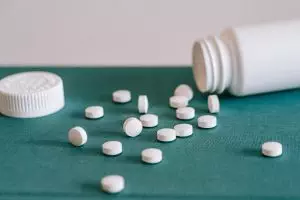
Many people are prescribed strong pain medication when they are in need of pain relief. Opioid drugs may help relieve pain, but they can also create a physical dependence as a person develops a tolerance for the painkillers. Acupuncture and TCM offer an alternative to opiate drugs and opioids like Codeine and Vicodin for treating pain, and a way to help treat both opioid dependence and addiction.
We often hear in the news that the U.S. is facing an “opioid epidemic.” Recent statistics suggest that over ten million Americans may have an opioid use disorder. CDC data showed that over 75,000 people died from opioid overdoses in 2021.
Some of the most commonly used pain medications include:
- Oxycodone (Oxycontin)
- Hydrocodone (Vicodin)
- Oxymorphone
- Morphine
- Methadone
- Fentanyl
- Codeine
- Tramadol
- Buprenorphine
Opioid medications are also known as “narcotics.” “Opiate” drugs are derived naturally from the poppy plant. These include: opium, codeine, and heroin. “Opioids” are synthetically produced in a lab. These include: oxycodone and fentanyl.
People are prescribed opioids or opiates to help them deal with severe pain, but the medications themselves can then become the primary cause of suffering in their lives. Roughly a quarter of people who are prescribed opioid pain medications end up misusing them.
Opioid misuse can mean different things, like: taking more than the prescribed dosage, using someone else’s medication, or continuing to take the medication even though it is having a negative impact on your health and life.
Dependence on opioids is different from addiction, and it is possible to experience drug dependence with or without also having a substance use disorder.
When a person becomes dependent on a medication, it means that they require a certain dose of that substance in order to avoid withdrawal symptoms. This is why these medications are closely monitored by the prescribing medical doctor, so that the dosage is carefully controlled. A person may need to be slowly weaned off the medications when they are no longer necessary, so as to avoid withdrawal.
It is also possible for a person to develop an addiction to opioids, as they stimulate the release of endorphins, which help to block pain signals and produce positive feelings. When this process is repeated over and over, the body starts producing less endorphins naturally, and a higher dosage of the opioid medication is required to produce the same effect; this is what we mean by “tolerance” to the drug.
Addiction to opioids—or an opioid use disorder—is more likely the longer a person takes them—for example, for a chronic pain condition. Other factors, like depression or anxiety, high levels of stress at work or home, and use of other substances like tobacco and alcohol, can also play a role in addiction risk.
It can be difficult, even for doctors, to distinguish between physical dependence and addiction. Addiction is usually defined by “abuse” or “misuse.” When a person feels that they cannot live without the medication, though, there is clearly a problem.
Acupuncture and TCM may play an important role in helping both individuals, and society as a whole, overcome dependence on opioid pain medications because it addresses the problem in several ways.
Top 10 Reasons Acupuncture Is a Good Alternative to Opioids for Pain Relief

Acupuncture has a natural analgesic effect and can help relieve severe pain and chronic pain, without negative side effects.
- Acupuncture and other TCM modalities are an effective alternative for pain relief.
- Acupuncture can be used to treat both acute pain and chronic pain.
- Acupuncture can help reduce the need for opioid-like medications after surgeries, by helping relieve postoperative pain.
- Acupuncture and herbs can help postoperative wounds heal more quickly.
- Acupuncture can help cancer patients by providing pain relief and additionally helping to relieve nausea and mitigating other side effects of cancer treatment.
- Acupuncture provides pain relief without negative side effects.
- Acupuncture can help individuals who are trying to stop taking opiates avoid withdrawal symptoms.
- Acupuncture can help alleviate cravings for addictive substances.
- Acupuncture helps to effect the release of endorphins naturally, which provides the same good feelings as drugs initially do.
- Acupuncture can be a more cost effective way to treat pain and addiction than other methods.
Treatment for Opioid Dependence
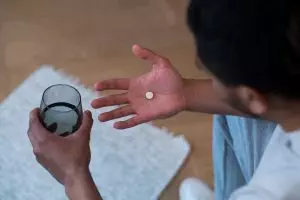
Methadone Maintenance treatment (MMT) is widely used to treat opioid addiction or dependence. This method involves replacing the opioid drug with methadone, which is a synthetic opioid, so it acts on the same centers of the brain, which helps to reduce cravings and withdrawal symptoms. This can help people wean themselves off of pain medications or heroin. However, there can be side effects, and MMT does not help everyone stop using or misusing opiates or prescription pain medications.
Long-term use of opioids can be detrimental to a person’s overall health, both mentally and physically. Hydrocodone side effects and oxycodone side effects can include: drowsiness, dizziness, nausea, vomiting, constipation, irregular heartbeat, and increased risk of respiratory problems for people with asthma or COPDs like emphysema or chronic bronchitis.
Mental health issues and opioid misuse often go together. People who suffer from depression or anxiety are much more likely to use opioids to treat pain and then become emotionally dependent on them.
Overall, evidence suggests that pharmacological methods for treating opioid misuse are not very successful. TCM and acupuncture offer an alternative treatment for opioid dependence.
Can Acupuncture Help Relieve Pain Better Than Opioids?
While there is still much to be done in the way of scientific research to demonstrate exactly how acupuncture is able to effect changes in the body and help relieve pain, there is ample enough evidence to convince the medical community that acupuncture does, indeed, have a significant analgesic effect. For two decades now, the WHO has recommended acupuncture and TCM for many different pain conditions, including:
- neck pain
- back pain
- low back pain
- Sciatica, hip pain
- postoperative pain
- headaches and migraines
- shoulder pain
- heel pain, plantar fasciitis
- TMJ pain
- Neuropathy pain
Acupuncture may work so well to relieve pain because it appears to have an effect on the central nervous system and opioid peptide neurotransmitters, including endorphins. This means that acupuncture works on the opioid receptors in the brain.
One study of patients who were in methadone treatment for opioid dependence found that people who received acupuncture were able to reduce the amount of methadone they needed.
A study on patients who had lumbar spine surgery to help severe back pain showed that acupuncture worked well as a postoperative analgesic.
Acupuncture Near Me for Pain Management and Opioid Dependence in Los Angeles
It is absolutely necessary for so many people to find pain relief when they have an acute condition, or a chronic pain condition, or are in treatment for cancer or other serious illness. Serious pain causes mental anguish as well as physical limitations. Acupuncture and TCM offer an alternative treatment for pain management that helps not only to block pain, but also to relieve stress and anxiety. At Art of Wellness, we have over 30 years of experience helping people to manage pain safely and effectively.
*This article is for education from the perspective of Traditional Chinese Medicine only. The education provided by this article is not approved by FDA to diagnose, prevent, treat and cure human diseases. It should not stop you from consulting with your physician for your medical conditions. Traditional Chinese Medicine is based on Qi, which is an invisible force that usually cannot be observed by modern science. Because science focuses on testing ideas about the natural world with evidence obtained through observation, these aspects of acupuncture can’t be studied by science. Therefore acupuncture and Chinese herbs are often not supported by double-blind, randomized trials, and they are considered alternative medicine therapies in the United States.