


- Art of Wellness Acupuncture & Traditional Chinese Medicine (TCM)11704 Wilshire Blvd, Suite 295, Los Angeles, CA, 90025
myartofwellness@gmail.com310-451-5522 - Sign up to receive news and updates and get my free report:“The Top 10 Reasons to Try Acupuncture”

Uncategorized
How to Treat Migraine with TCM and Acupuncture
By Xiaomei Cai L.Ac., Ph.D. & Qineng Tan, L.Ac., Ph.D.

Migraine is a disorder that affects about 10% of people worldwide; women are three times more likely to suffer migraine headaches than men. A migraine is an intense headache that lasts anywhere from several hours to three days and is severe enough to impede normal activities. The throbbing, pulsating, or stabbing pain in the head typical of a migraine is usually accompanied by a variety of other symptoms, including nausea and increased sensitivity to sensory stimuli. Migraines develop in stages over several hours or days, and the exact nature of the experience differs widely from person to person.
Migraine is a recurrent condition, and patients are typically diagnosed with migraine if they have experienced at least five of these types of headaches in their lifetime. Some people suffer from chronic migraines that cause them to be debilitated several times per month.
There are different types of headaches, but migraine headaches are distinct from tension headaches, sinusitis headaches, and cluster headaches in key ways. Sinus headaches, for example, are related to a sinus infection.
Although much research has been done, the physiological processes that cause migraines are still not completely understood. There is no cure for migraines, and treatment methods focus on preventing migraines from beginning or fully developing, and alleviating the symptoms until the attack abates.
While more research is needed to demonstrate exactly how acupuncture impacts brain chemistry, studies have made it clear that TCM methods and acupuncture treatment are an effective alternative for relieving migraine.
What Causes Migraine?
Current medical theory generally attributes migraines to abnormal neurological functions in the brain cells. This may be due to genetics, as susceptibility to migraines does tend to run in families, especially from mothers to daughters. A cascade of chemical activity, possibly caused by fluctuations in hormones, causes the blood vessels to constrict, which leads to the pressure in head, throbbing pain and elevated nerve sensations. Migraines have also been linked to carpal tunnel syndrome, a nerve condition in which the median nerve is compressed. TMJ, or disorders of the jaw, can also contribute to migraines. Meniere’s disease, an inner ear problem that causes vertigo, dizziness, ringing in the ears, and nausea, has also been linked to migraines. Occipital neuralgia, which occurs when the occipital nerves are compressed or irritated, can cause migraine-like pain in the back of head and neck.
Stages and Symptoms of Migraine
Migraines do not simply cause a severe headache. Migraine episodes go through a pattern of stages, during which a variety of symptoms come and go. While a person may not be able to predict when a migraine will come on, once he or she is familiar with these stages, the course of the migraine attack is somewhat predictable.
- Premonitory or Prodrome Stage of Migraine – In the early part of the migraine, a person might experience physical signs such as stiffness in the neck (cervicogenic headache), especially on one side, frequent yawning, cravings for certain foods, marked thirstiness, and increased urination. Emotionally and mentally, a sense of fatigue, irritability, depression, or confusion might pervade. Some people feel hyperactive or even euphoric. This period can last for hours or days.
- Aura – Not everyone who has migraines experiences what is known as the Aura phase, which produces unusual sensory distortions. In other cases, people may experience the Aura phase, but not the subsequent headache pain phase. Some examples of migraine with aura symptomology include: Allodynia (hypersensitivity to touch, so much that it is painful), Metamorphopsia – a profound change in perception of the size of objects, including one’s own body, altered spatial awareness, Aphasia – impairment in the language center of the brain that causes forgetting words, feeling generally unable to express oneself verbally, Visual – seeing wavy lines or flashing lights (phosphenes), “blind spots” or reduced field of vision (scotoma), Auditory – loss of hearing, auditory hallucinations, Headache and dizziness or vertigo.
- Headache – Some people may have only mild pain during this phase, and therefore do not recognize they are having a migraine. Many migraine sufferers, however, experience severe throbbing headache, sharp pain in head, or stabbing pain (ice pick headache), often on one side of the head, headache back of head, headache behind eyes, or in the temples on head. The pain is usually worse if one is active. Heightened sensitivity to light, sounds, and smells are common, and people usually feel like retreating to a dark, quiet room to lie down. During this phase, people may also experience nausea and/or vomiting, dehydration, dizziness, hot flashes and/or chills, and strong emotions such as anxiety, fear, and depression. This phase can last anywhere from several hours to three days.
- Postdrome – The final phase of migraine is sometimes likened to a “hangover.” People generally feel low energy and low mood, as well as fatigue and compromised cognitive function. This phase, too, can last several hours to a few days.
Migraine episodes have a devastating impact on people’s ability to function normally. More than half of migraine sufferers miss at least two days of work per month, and many more try to get through their workdays even though they are in the middle of a migraine.
Are Migraines Related to Hormones?

While anyone can have migraines, women are three times more likely to experience them, especially during their reproductive years. Many women perceive their migraine to be a PMS headache or period headache, because it occurs prior to or during the menstrual period. These types of migraine can be particularly debilitating. The cause of headache is believed to be due to a sudden drop in estrogen. This same mechanism can cause frequent headaches during perimenopause or early menopause due to fluctuations in estrogen levels.
Sometimes women are prescribed the use of continual oral contraceptive medication (i.e., skipping the placebo week of pills) in order to prevent drops in estrogen that may be causing migraine. This treatment does not work for everyone, though, and obviously is not helpful for women who may wish to get pregnant.
Serotonin levels have also been linked to migraine. Research has shown that fluctuations in neurotransmitters and vascular functions in the brain are part of the migraine pathology, but it remains unclear exactly how this plays out. Triptans, drugs which act upon the serotonin receptors in the brain, are currently the most common treatment for acute migraine, as in some cases, they will stop a migraine attack from progressing. These medications do not work for everyone, though, and they cause constriction of blood vessels, which can lead to other problems, such as tightness, tingling, and hot flushes in various parts of the body.
Targeting the production and function of one of two specific hormones may produce some positive results, but as migraines appear to stem from a complex combination of hormonal, vascular, and metabolic malfunctions, a more holistic approach may be indicated. Acupuncture has been shown to help regulate hormones like estrogen and serotonin, specifically, but TCM achieves those results by observing and treating the whole person, emotionally, mentally, and physically; not only focusing on one or two isolated chemicals.
Acupuncture and TCM for Migraine Help
TCM theory is based on the concept of Qi as a life force energy which flows through the body along channels called meridians. Qi and blood move through these channels, several of which meet in the head. Blockages and stagnation in one organ system can impact other organ systems. Recurrent migraines are considered to be caused by stasis and deficiencies in the liver, spleen, and kidney, which cause yang energy from the liver to rise to the head. Overconsumption of the wrong kinds of foods can cause phlegm build-up in these organs, while alcohol and pungent foods can create excess heat energy. A typical TCM treatment protocol might involve using specific acupuncture points and herbs to quench liver fire and eliminate phlegm.
Acupuncture can work on migraine pain with its natural analgesic effects, while also helping to prevent future attacks by resolving these deeper organ system imbalances. One study showed that migraine patients given acupuncture treatment experienced fewer episodes and missed fewer days of work than those given medications. The results also indicated that acupuncture was more cost effective than the medications. A review of randomized trials involving thousands of patients concluded that acupuncture is effective at reducing the number of days lost to migraines and should be considered a valuable treatment option.
Top 5 Home Remedies for Migraine Headaches
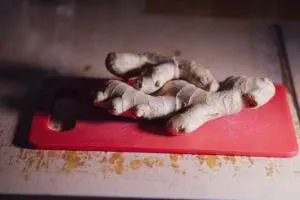
Migraines appear to be triggered by various stressors, lack of sleep, and certain foods. Aside from seeking acupuncture near me for migraine, there are several things you can do to prevent and relieve severe headaches. Natural remedies for migraines involve simple dietary, exercise and lifestyle modifications.
- Avoid foods that can trigger migraines. The most common ones are processed or prepared foods with added nitrates or MSG. Dairy products, especially very salty or aged cheeses, and chocolate should be avoided if you are susceptible to migraine, as well as extremely cold drinks and desserts. Dried foods like fruits and beans, and pickled foods can also be problematic.
- Emphasize foods high in magnesium, especially nuts, seeds, and high quality eggs.
- Ginger is known to relieve nausea and vomiting, and may alleviate other effects of migraine. One study showed that ginger was just as effective as Sumatriptan for decreasing symptoms of migraine. We recommend simply slicing fresh ginger root and steeping it in hot water to drink as a tea.
- Try essential oils like lavender or peppermint. Rubbing a little bit into the temples can be soothing.
- Find a gentle practice that combines breathing, movement, and meditation. Yoga, particularly restorative yoga, has been shown to be helpful for headaches. This may be because it helps people relax more fully. It also encourages better symmetry between the right and left sides of the body and brain.
Best Acupuncture in Los Angeles for Migraine Help
Drs. Cai and Tan at Art of Wellness in Santa Monica have over thirty years of experience treating migraine and other types of headache with TCM, acupuncture, and herbal remedies. Headache help is just a phone call away. If you or someone you know has been suffering with severe headache or chronic migraines, please do not wait another day to call 310-451-5522 and get started with an acupuncture treatment program that will allow you to reclaim your life and experience headache relief.
*This article is for education from the perspective of Traditional Chinese Medicine only. The education provided by this article is not approved by FDA to diagnose, prevent, treat and cure human diseases. It should not stop you from consulting with your physician for your medical conditions. Traditional Chinese Medicine is based on Qi, which is an invisible force that usually cannot be observed by modern science. Because science focuses on testing ideas about the natural world with evidence obtained through observation, these aspects of acupuncture can’t be studied by science. Therefore acupuncture and Chinese herbs are often not supported by double-blind, randomized trials, and they are considered alternative medicine therapies in the United States.
How to Treat Fatigue With Acupuncture and TCM
By Xiaomei Cai, L.Ac., Ph.D. and Qineng Tan, L.Ac., Ph.D.

With so much going on in our lives these days, it is no wonder that many of us feel exhausted and tired all the time. Stress and lack of sleep are so common now that many people are easily tired. But when it gets to the point that a person is always tired, so much that he or she never feels rested and has trouble engaging in normal daily activities, fatigue becomes a serious health concern that requires attention.
Extreme fatigue is a mental and/or physical lack of energy that goes beyond normal tiredness. Physical or muscle fatigue prevents a person from engaging the body in the ways he or she is used to being able to, while being mentally exhausted causes sleepiness and an inability to focus the mind enough to perform one’s usual tasks. Transient or acute fatigue occurs when a person is deprived of sleep over a few days. In general, it is recommended that adults get 7-8 hours of sleep per night. However, a large published report showed that more than a third of Americans regularly sleep less than seven hours per night. Poor sleep habits do more than cause excessive tiredness; they can lead to all kinds of chronic health problems.
Conventional medicine has a limited understanding of fatigue causes, and does not offer much in the way of solutions for fatigue symptoms. Whether fatigue is acute or chronic, acupuncture and TCM offer proven benefits without any negative side effects.
Causes of Chronic Fatigue
Constant fatigue and extreme exhaustion that last for more than three to six months may be signs of Chronic Fatigue Syndrome (CFS) or Myalgic Encephalomyelitis (ME). As a syndrome, CFS/ME is a collection of symptoms that are often seen together, but is not fully understood by the medical community as a disease. CFS symptoms include:
- Extreme exhaustion that is made worse with physical or mental effort (post-exertional malaise, or PEM), i.e., feeling completely spent after any exercise or mental stress
- Sleep is not refreshing
- Foggy head, cognitive impairment
- Joint pain
- Constant sore throat
- Swollen lymph nodes
- Severe headaches
- Extreme sensitivity to lights, noises, smells, foods and chemicals
It can be difficult for doctors to come to a firm diagnosis for different types of fatigue, partly because the symptoms are “invisible” and subjective, but also because there are other health conditions with similar symptoms, in particular fibromyalgia and lupus. The causes of chronic fatigue have not been fully identified, but it is believed that CFS can be triggered by infections, particularly deep candida infection, immune dysfunction, nutritional deficiencies, extreme stress, Epstein Bar virus (EBV, mono), or a combination of these factors. Some studies have indicated that people who experienced childhood trauma may have increased risk of developing CFS, and that psychological stress due to post traumatic stress disorder (PTSD) is linked to CFS.
As of now, conventional medicine has no officially approved treatment protocol for chronic fatigue. Generally, patients are instructed to rest, pace themselves while practicing gentle exercises, and learn to avoid triggers that make their fatigue worse. Doctors may offer medications to help insomnia and antidepressants to help with emotional instability, but these types of drugs can have negative side effects and create dependency. Traditional Chinese Medicine works on a deeper level to address headache, dizziness, fatigue, muscle and joint pain with fatigue, and eye strain symptoms.
Sometimes constant tiredness is attributed to adrenal exhaustion. Adrenal Fatigue Syndrome is not a formally recognized medical diagnosis, but this, too, is a collection of symptoms that is theorized to be related to chronically low levels of the adrenal hormone cortisol. Cortisol is produced in short bursts when we are under stress; this is often called the “fight or flight” response. Going through an extended period of stress might lead to the adrenal glands becoming depleted. People with adrenal fatigue symptoms like tiredness, trouble sleeping, and cravings often rely on caffeine and sugar to help them get that burst of energy. Adrenal fatigue treatment by TCM helps to naturally balance the hormones, while lifestyle modifications implemented over time help resolve feeling so tired all the time.
How Is Fatigue Related to Stress?

Clearly there are links between stress and fatigue. Stress is the body’s reaction to difficulties and situational changes. When stress builds up over time, the body and mind become exhausted. Chronic stress can lead to emotional exhaustion. Lack of focus and motivation leads to poor decision making, and then a person can no longer take proper care of herself and her loved ones. Mental health issues such as anxiety, depression, and PTSD become intrusive and disruptive to daily life. In today’s world, we are all subjected to many stressors every day. Simply processing a constant onslaught of new information on top of all of the other things we are expected to manage is bound to cause mental fatigue. Feeling overwhelmed is the new normal, but in order to prevent it from becoming a serious health problem, we need to address emotional fatigue.
How Is Fatigue Related to Sleep Problems?
We need nourishing food and restful sleep to function optimally. If an individual does not prioritize healthy eating and getting enough sleep, eventually the body becomes seriously depleted. Feeling tired after eating is a sign that one might be eating the wrong foods, or at the wrong times. Extreme fatigue after eating is also an indicator that when a person does sleep, he or she is not getting good quality sleep. Working on behavioral modifications to improve sleep quality is certainly an important part of addressing fatigue, as is finding a physical activity program that improves energy.
How Is Fatigue Related to Hormones and Women’s Health?
Women often experience fatigue as they go through hormone changes. Feeling lethargic due to PMS, PMS fatigue or period fatigue is common. Fatigue during pregnancy can cause women to feel weak and tired. Women going through menopause commonly feel over tired. These types of hormone related fatigue can be helped by balancing the hormones with acupuncture and herbs.
How Can Acupuncture Help to Fight Fatigue?
The most fundamental concept of Traditional Chinese Medicine is that of “Qi,” the life force energy that flows through the body. According to TCM, fatigue is related to the quantity and quality of Qi a person is able to maintain. Qi deficiency, then, is the primary cause of fatigue. Deficiencies can show up in different ways:
- Spleen-pancreas – This is the organ system that directs digestion. When this is weak, people might feel bloated after eating, tend toward loose bowels, feel weak and depressed, and bruise easily. This can be due to erratic eating patterns, especially too many sweets. Worrying or over-thinking can also be part of the problem. Many people go through stressful periods when they exhibit these behaviors and symptoms.
- Lung – The lungs do the job of extracting Qi from the air we breathe. Sometimes lung Qi is weakened when we do a lot of talking as part of our work without taking enough breaks. Emotions of grief and sadness can also weaken the lungs. This may present as being prone to coughs or colds.
- Blood Deficiency – This often goes together with Qi deficiency. A heart-related blood deficiency can lead to feelings of anxiety and restless sleep. A liver-related blood deficiency can cause eye strain symptoms.
- Yang Deficiency – Lack of heat energy in the body causes weakness with body aches and fatigue. This differentiation can cause menopausal fatigue and low back pain.
An acupuncture practitioner will first perform a thorough consultation and exam to identify the specific symptoms of fatigue and the factors potentially causing them. A course of treatment might include not only acupuncture to stimulate points along the meridians, but also moxibustion, a topical therapy used to cultivate warm energy.
One formal study of patients diagnosed with CFS showed significant improvement in both physical and mental fatigue among participants who received daily acupuncture over the course of ten days.
Another study of chronic fatigue patients who were given acupuncture as a complement to conventional treatment showed greater improvement over patients who did not receive acupuncture.
Acupuncture has been shown to increase serotonin levels, which help improve sleep and mood. This means it can be an effective treatment for fatigue and depression, without the side effects and dependence that are often caused by SSRIs (antidepressants that work on serotonin levels in the brain).
Chinese herbs are used in customized combinations to address imbalances in the organ systems. TCM herbal remedies are an integral part of treatment for chronic fatigue, and should be combined with your acupuncturist’s nutritional recommendations to nourish Qi and reverse fatigue.
Top 10 Tips to Beat Fatigue
While acupuncture treatment and herbal support will go a long way to combat fatigue, it is critical that patients make meaningful lifestyle modifications. New habits will not only improve symptoms of fatigue, but prevent exhaustion in the future.
- Timing is everything – The adrenal hormones will be more balanced if you follow natural circadian rhythms. This means, ideally, rising with the sun and going to bed well before midnight. Exercise early in the day rather than stimulating the body with activity in the evening. Stick with the same sleep routine, even on weekends and holidays.
- Cut caffeine – Drinking coffee or sodas to stay sharp is actually very detrimental to your health. Think of it as borrowing energy; you’ll have to pay it back later, with interest. If you are used to multiple caffeinated drinks per day, start by reducing them gradually. Then, take at least a few weeks off of caffeine entirely.
- Avoid Alcohol – Even though it may feel like a glass of wine helps you relax in the evening, alcohol has a negative impact on the quality of sleep, often causing you to sleep lightly and wake in the night. Again, start by cutting back, and try to abstain entirely until fatigue has improved.
- Drink more water – Dehydration reduces mental alertness and physical stamina. Drinking 8 glasses of water per day ensures that nutrients and oxygen are moving smoothly through the bloodstream and that toxins are being excreted properly. Don’t wait until you’re thirsty; by then, you are already dehydrated. Remind yourself to drink at regular intervals.
- Eat more frequently to maintain blood sugar levels and energy. Smaller meals eaten every 3-4 hours throughout the day

Walnuts are a great source of Omega-3s are better than 2-3 large meals.
- Get enough Omega-3 – Fatty acid supplementation has been shown to reduce symptoms in CFS patients. Good sources of Omega-3 fatty acids include: fish, fish oil, flaxseeds, chia seeds, hemp seeds, and walnuts.
- Short bouts of exercise – Even when the mildest exertion can be exhausting, it’s vital to establish and maintain regular physical activity. A short 15 minute walk outdoors will help get the blood pumping, and exposure to sunlight is crucial for getting Vitamin D to boost immune function.
- Qi Gong – This gentle form of exercise is part of the holistic health care system represented by TCM. The focused breathing and subtle movements of Qi Gong are designed to nurture Qi. Specific exercises will help to bring in more Qi, encourage Yang fire energy, and relieve stress.
- Yoga – Another practice that goes beyond physical exercise, yoga encourages specific breathing and meditation techniques that harness “Prana.” Similar to concept of Qi, Prana is life-giving energy that we can take into the body from the environment through deep breathing.
- Rest – Prioritizing rest means more than getting enough sleep at night. Change your mindset from one of constant “busyness” and productivity. Give yourself time to rest, read, meditate, listen to music, laugh, and just do nothing. If you have to convince yourself, remember, “doctor’s orders–I have to rest!”
Acupuncture Near Me for Dealing With Fatigue
Now more than ever, extreme stress, lack of sleep and activity, and constant triggering events can cause chronic fatigue. Fatigue is feeling more than tired; it can become a real health concern if you are so physically and mentally exhausted that you cannot get up and face your day. Do not hesitate to reach out for help. The doctors at Art of Wellness are TCM experts with over 30 years of experience helping patients heal unresolved traumas, restore balance and replenish their energy. Call today to get started with a treatment plan to banish fatigue.
*This article is for education from the perspective of Traditional Chinese Medicine only. The education provided by this article is not approved by FDA to diagnose, prevent, treat and cure human diseases. It should not stop you from consulting with your physician for your medical conditions. Traditional Chinese Medicine is based on Qi, which is an invisible force that usually cannot be observed by modern science. Because science focuses on testing ideas about the natural world with evidence obtained through observation, these aspects of acupuncture can’t be studied by science. Therefore acupuncture and Chinese herbs are often not supported by double-blind, randomized trials, and they are considered alternative medicine therapies in the United States.
How to Treat Shoulder Pain by Acupuncture and TCM
By Qineng Tan, L.Ac., Ph.D.

Shoulder pain is one of the most common types of musculoskeletal pain amongst adults, affecting about one in four people in their lifetime. Almost 20% of disability cases related to chronic pain are due to disorders of the shoulder, such as frozen shoulder (also known as adhesive capsulitis), torn rotator cuff, and tendonitis in shoulder. Neck and shoulder pain can be caused by injury, overuse, arthritis, or degeneration of tissues over time.
Shoulder pain is usually treated first with medications to reduce pain and swelling, and suggested activity modifications. Often people are referred to physical therapy (PT) or sports medicine specialists, so that a specific regimen of exercise can strengthen and stabilize the joints. In more severe cases, surgery may be required to repair torn tendons or cartilage. Acupuncture and other TCM modalities can be used to complement these conventional treatments, helping to reduce inflammation, alleviate pain, speed healing and improve range of motion.
In this article we will discuss some of the causes of shoulder pain, how it is usually treated with conventional methods, and how acupuncture and TCM can help reduce and prevent recurrence of shoulder pain.
Anatomy of the Shoulder
The shoulder is generally thought of as a “ball and socket” joint, but in fact, this part of the body has such a high level of utility and mobility because it is made up of several bones and a complex system of muscles, tendons, and bursae–little fluid-filled sacs that provide cushioning between the bones.
There are really three joints that make up the shoulder: the acromioclavicular joint (AC joint), where the collarbones (clavicle) and shoulder blades (scapula) meet, the glenohumeral joint, where the ball-shaped head of the long arm bone (humerus) fits into a shallow socket (glenoid), and the sternoclavicular joint, where the clavicle meets the sternum. These bones are held together by the “rotator cuff,” a collection of four major muscles and tendons.
The unique construction of the shoulder allows for a wide range of motion, including flexion and extension, adduction and abduction, and both medial (internal) and lateral (external) rotation of the socket joint. The scapula joint allows for protraction and retraction, elevation and depression. All of this amazing mobility comes at a price, however. It is up to the muscles and tendons to provide stability, and when these soft tissues are injured or weakened, the shoulder can become unstable and/or lose part of that mobility.
The 10 Most Common Causes of Shoulder Pain
The most common cause of shoulder pain is a problem with the rotator cuff. When the tendons are torn, or even just inflamed, it can be difficult and painful to lift the arm. This can be caused by repetitive motions executed during manual labor (especially overhead motions, as with painting or construction) or sports-related injuries (especially common with baseball and tennis). In some cases, the tendons of the rotator cuff tear, either due to a sudden injury (acute torn rotator cuff), or degeneration of tissue that occurs over a long period of time (chronic shoulder pain). Other causes of shoulder pain can be related to the bursae, or a disorder of the way the tendons and bones fit and move together.
Common causes of shoulder pain include:
- Torn rotator cuff – A tear or tears in the muscles and/or tendons of the shoulder joints generally causes a dull pain that worsens when you sleep on it. It can cause difficulty performing simple actions such as combing your hair, and all of the actions of the arm may be weakened. A tear can be caused by a sudden injury, but is more commonly due to repetitive motions related to physical engagement in work or sports over a long period of time. Rotator cuff problems should not be ignored. Some tears are best treated with surgery before they become larger. Without adequate treatment and changes in movement behaviors, torn rotator cuff tendons can lead to serious degeneration of the tissues and permanent loss of mobility.
- Frozen Shoulder – Also known as adhesive capsulitis, which refers to the capsule of tissues that surrounds the shoulder joints. When these tissues tighten and become more rigid, it creates a stiffness and severe pain in the shoulder and arm, making it increasingly hard to move without shoulder pain lifting arm. This condition is more common in women, and is seen more often in people between the ages of 40 and 60. PT can be effective for improving flexibility.
- Tendonitis – this refers to inflammation of the tendons that attach the muscles to the bones of the shoulder joints. When the tendons become inflamed, the area feels tender and achy, and normal activities can be difficult.Tendonitis in shoulder can often resolve itself with rest and reduction of the inflammation.
- Bursitis – this occurs when the small, fluid-filled sacs called bursae become inflamed, again, either due to injury, repetitive movements, or other conditions that cause inflammation, such as rheumatoid arthritis. This can cause even small movements, like pushing open a door, to hurt. Usually patients are cautioned to rest, and perhaps even wear a brace to restrict movement until the inflammation is resolved.
- Arthritis – when cartilage and the synovial lining that lubricates the joints begin to wear away over time, the bones of the joints begin to rub against each other. This generally happens in older people, and they begin to feel deep aching that sometimes gets worse when the weather changes. Along with rest, PT, and anti-inflammatories, patients are often treated with corticosteroid shots to temporarily reduce pain and inflammation.
- Shoulder Impingement – Some of the muscle and tendon tissue of the shoulder is sandwiched between the bones. When the movement of the shoulder causes parts of the soft tissue to be pinched by the bones, causing pain, it is called subacromial impingement. This can be caused by swelling of those tissues due to overuse, or because of a tear in a tendon or the labrum, or because of arthritis causing a change to the shape of the bone. In some cases the congenital shape of the acromion or coracoid bones can make someone more susceptible to impingement. The development of a bone spur could also cause this problem. In these cases, surgery to remove bone and create more space in the joint may be indicated.
- Dislocation – This occurs when the upper arm bone (humerus) pops out of the cup of the socket bone (glenoid). This can happen when the arm is suddenly pulled or twisted sharply, or when a person falls on their outstretched arm. The shoulder is the joint most commonly dislocated, and this injury happens more often in young people. It causes severe pain, swelling, bruising, and loss of mobility. Once the displaced arm bone is reset in the socket, mobility returns, but it can take a long time to regain strength. A person may be prone to dislocating the shoulder again without physical therapy, and in some cases, reconstructive surgery is required.
- Separation – This is an injury that causes AC joint pain, in which the ligaments that connect the collarbone to the shoulder blade are torn. This most commonly happens because of a fall right onto the shoulder. This often causes a bump or bulge on the top of the shoulder, where the clavicle is sticking up at an odd angle while the scapula drops down. A mild sprain causing clavicle pain may be healed with rest and restriction of movement with a sling. More severe cases may require surgery. Either way, physical rehabilitation is indicated to help restore mobility and strength.
- Broken collarbone – The collarbone/clavicle, which connects the arm to the ribcage, is a fairly exposed and delicate bone. It commonly breaks due to a fall. This injury causes collarbone pain and makes it hard to move the arm, causes the shoulder to sag, and creates a lot of bruising and swelling. If the break is clean, the shoulder can be immobilized with a sling until it heals. If the broken ends of the bone have shifted apart, though, surgery may be necessary to realign them. PT rehabilitation will then help through a long healing process.
- Labral tear – the labrum is a rounded rim made of cartilage that helps hold the top of the arm firmly in the shoulder girdle. Sometimes the labrum is stretched or torn due to injury or overuse, causing the joint to become loose and unstable. This can feel like a gentle shoulder pop or locking sensation when you move, or it can produce a severe pain when you try to lift the arm. A labral tear can cause loss of strength and range of movement. This condition is usually diagnosed by a specific imaging technique called an MR arthrogram. A labral tear may be helped by lifestyle changes to prevent aggravation, anti-inflammatory medications, cortisone, shots, and physical therapy. In some cases, a severe or complicated case may require surgery to repair the tear or tighten the joint capsule.
Other types of sore shoulder include: a pinched shoulder nerve in the neck area that can cause radiating neck and shoulder pain, or a muscle pull in the upper back or top of the arm, as in trapezius pain, rhomboid pain, or deltoid pain. Problems with the jaw, or TMJ disorders, can also contribute to shoulder pain.
Acupuncture and TCM for Shoulder Pain

As you can see, resolving shoulder pain relies heavily on the reduction of inflammation. It may be that inflammation with a separate root cause (such as heart disease or an autoimmune disorder) created a problem with the soft tissues of the shoulder joints in the first place, or it may be that an injury to the shoulder is the primary source of the inflammation. Either way, reducing the inflammation is the key to relieving shoulder pain and restoring mobility to the joints.
Acupuncture is a highly effective modality for reducing inflammation, without the sometimes severe side effects that can arise from other conventional treatments like steroid injections. Cortisone shots can reduce pain and swelling temporarily, but repeated shots can cause damage to the area, and in some cases, infections at the site. Cortisone can also raise blood sugar levels, increasing the risk for diabetes.
Scientific evidence suggests that acupuncture treatments reduce inflammation by stimulating the pituitary gland to release more cortisol naturally. It is also hypothesized that acupuncture affects the release of neuropeptides from the peripheral nerve endings, which is a key part of the body’s inflammatory response.
In TCM vocabulary, we consider inflammation to be due to a stagnation of Qi and blood, not only in the area immediately affected, but also in related organ systems. In the case of the shoulder, the corresponding organ system is often that of the large and small intestines. To relieve shoulder pain and restore freedom of movement, it is also necessary to “re-train” the shoulder muscles to move together smoothly. Physiotherapy can be very helpful for this, but there are also TCM practices that can be integrated to help achieve better mobility. One study compared patients with frozen shoulder who were performing exercises to improve the condition with patients who exercised and received regular acupuncture treatments. The patients treated with acupuncture scored significantly higher in improved mobility and reduced pain, and the positive effects lasted for months after treatment ended.
Tuina and Gua Sha, specific forms of therapeutic massage administered by doctors of TCM, can also be used as part of comprehensive treatment for relieving stiffness in the shoulder.
Chinese herbs have been used for thousands of years to help reduce inflammation in the body.More recent scientific studies have demonstrated the direct anti-inflammatory and analgesic effects of Chinese herbal formulations. Specifically, herbs have been shown to inhibit the swelling caused by cytokine production that is typical of chronic joint diseases.
Top 3 Tips for Relief and Prevention of Shoulder Pain
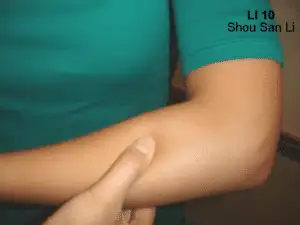
The best way to relieve and prevent shoulder pain from recurring is to manage inflammation. Regular acupuncture treatments are beneficial, but there are also some excellent self-care techniques you can use to relieve pain and improve function.
- Acupressure point for shoulder pain: LI10 (large intestine meridian). Find this point on the front side of the forearm, about three inches below the elbow. Apply gentle pressure while breathing deeply to relieve stiffness and pain in the shoulder, neck, and elbow.
- Practice stretching and strengthening exercises for the shoulder joints. Start slowly, with gentle movements to improve range of motion, then move up to using some light weights to help strengthen the muscles.
- Pendulum – Lean forward with one arm hanging loosely. Use the other arm to brace against a chair for support. Gently swing the hanging arm from side to side, forward and back, and in a circular motion. Slowly return to a standing position. Repeat on the other side.
- Wall angels – Stand with your back to a wall, with the arms at your sides, whole arm and back of the hand pressed to the wall. Slowly raise your arms, keeping them pressed to the wall, and lower them in a “snow angel” motion.
- Follow an anti-inflammatory food program – avoid foods that cause inflammation, including fried foods, refined carbohydrates (flour, sugar, etc.), red meat, and processed fats like margarine and shortening. Consume lots of leafy greens and cruciferous vegetables, fresh fruits, especially berries and cherries, emphasize fish as a primary protein source, and use high quality olive oil. Your acupuncture provider will be able to give you more specific directions for how to eat best to improve your condition.
Acupuncture Near Me for Shoulder Pain
Art of Wellness Acupuncture & TCM in Santa Monica, California, was recently chosen as one of the top 20 acupuncture clinics in Los Angeles. Our doctors have over 30 years of experience both in China and here in the United States. Dr. Tan is a specialist, with training in both TCM and conventional medicine, in orthopedic, musculoskeletal, neurological, and chronic pain disorders of all kinds. We work in an integrated fashion with your other medical practitioners to help you achieve the best results. If you or someone you know is suffering from shoulder pain, call us at 310-451-5522 to schedule a consultation.
*This article is for education from the perspective of Traditional Chinese Medicine only. The education provided by this article is not approved by FDA to diagnose, prevent, treat and cure human diseases. It should not stop you from consulting with your physician for your medical conditions. Traditional Chinese Medicine is based on Qi, which is an invisible force that usually cannot be observed by modern science. Because science focuses on testing ideas about the natural world with evidence obtained through observation, these aspects of acupuncture can’t be studied by science. Therefore acupuncture and Chinese herbs are often not supported by double-blind, randomized trials, and they are considered alternative medicine therapies in the United States.
Acupuncture and TCM for Cancer – Integrative Oncology
By Dr. Qineng Tan, L.Ac., Ph.D. and Xiaomei Cai, L.Ac., Ph.D.
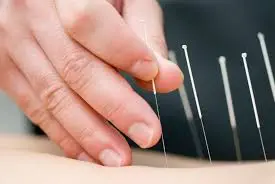
Until very recently, it seemed cancer was the one illness that had touched everyone’s life in some way. Cancer is the leading cause of death in the world. Almost 40% of the population will be diagnosed with some form of cancer at least once in their lives. We have all lost friends and relatives to this seemingly relentless form of disease. Doctors, scientists, researchers, and organizations have worked tirelessly in recent decades to develop life-saving treatments, and millions of people go on to live full lives as cancer survivors.
Cancer is a broad term that refers to the unchecked growth of abnormal cells in the body. When the body’s mechanisms for getting rid of old cells begins to break down, these damaged cells begin to divide, in some cases forming masses, or tumors. These types of cancer are usually classified by the organs affected by the tumor, including gynecological cancers such as breast cancer, ovarian cancer, cervical cancer, and endometrial cancer, as well as prostate cancer in men, lung cancer, cancers of the gastrointestinal tract (pancreatic, stomach, esophageal, colon, rectal), thyroid, brain, spine, bladder, liver, and kidneys. Carcinomas refer to cancers affecting the skin, and sarcomas to cancers affecting the musculoskeletal system. Hematological cancers involve the proliferation of abnormal blood cells, including leukemia, lymphomas and multiple myeloma.
Written records of Traditional Chinese Medicine detection and treatment of cancerous growths go back over 2000 years. In recent decades, TCM has become more recognized as a way to complement and enhance contemporary methods of treating cancer. Integrative Oncology, in which the latest technological and pharmacological advances are combined with Traditional Chinese Medicine techniques and philosophy, forms a holistic way of working with cancer patients.
Cancer Treatment Options

Cancer screening is a vital component of modern health care, as early detection offers the best chances for successful treatment. Data show that of the 18 million new cases detected in 2018, 5 million could have been discovered sooner and treated more effectively if we had higher rates of screening. Unfortunately, almost half of colorectal and cervical cancers and a third of breast cancers are not diagnosed until the disease is already in later stages, which makes them harder to treat.
When a cancerous growth is still localized, surgery and/or radiation treatment can remove or destroy much or all of the abnormal growth. When cancer has advanced to a later stage, and cells have spread through the body, then more systemic treatments are used, such as:
- chemotherapy, which uses cytotoxic drugs to kill tumor cells
- immunotherapy, a newer type of treatment, uses specifically designed synthetic antibodies to boost the body’s immune system.
- targeted therapy seeks to destroy the cancer cells without harming healthy tissues surrounding tumors.
New treatment options are constantly being researched and tested, giving patients a better chance at stopping the cancer in its tracks.
However, most cancer treatments themselves can cause serious side effects that dramatically impact quality of life. Positive outcomes also vitally depend on a person’s ability to strengthen the body’s immune system while fighting the disease, as well as coping with the severe emotional stresses involved. Research has shown that acupuncture can significantly mitigate side effects of chemotherapy, radiation treatments and other conventional methods of treating cancer.
Chemotherapy and radiation work by killing cancer cells. As these chemicals do not distinguish between normal and malignant cells, they can also damage surrounding tissues, creating more blockages. The synthetic drugs used also increase toxicity levels within the body. Acupuncture can help increase the production of white blood (immune) cells, detoxify the body and increase energy, so that the cancer can be eradicated, and new, healthy cells can flourish. Acupuncture can also improve sleep and relieve anxiety, so that hope and confidence can outweigh fears and exhaustion.
Acupuncture and TCM can be valuable for cancer patients throughout every stage of treatment, recovery and beyond, not only alleviating the pain and nausea associated with cancer treatments, but also boosting immune function, relieving anxiety and depression, and even helping to prevent the cancer from coming back.
How Can Acupuncture Help with Cancer Treatment?

Acupuncture operates based on the philosophy that the body is powered by Qi – a life force energy – that runs along pathways throughout the body called meridians. Pain and diseases are caused by blockages in these pathways that prevent Qi and nutrient-rich blood from reaching and adequately supplying the organ systems of the body. When the body is balanced and functioning smoothly, the immune system is able to detect and eradicate pathogens on its own. Our bodies do this all the time. While genetic predisposition may increase some people’s cancer risk, the truth is everyone is susceptible to the formation of cancerous cells. When the body is healthy, it can sweep away mutated cells. But when the body is in a weakened state and energies are blocked, cancer cells are able to take hold, multiply, and grow.
Acupuncture can help relieve symptoms caused by the disease itself, as well as the side effects of treatment, including but not limited below:
- neuropathy
- pain
- nausea/vomiting
- dry mouth
- fatigue
- insomnia
- depression & anxiety
In addition to providing palliative care for these symptoms, acupuncture treatment works on a deeper level to strengthen Qi, revitalize blood, and restore healthy functioning to the organ systems. The combination of acupuncture treatment to stimulate specific points and herbs to act on chemical/elemental imbalances can approach the root cause of the abnormal cell growth.
Acupuncture for Cancer Treatment Side Effects
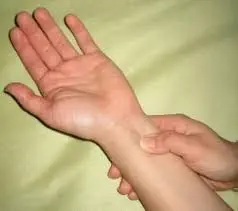
The most common side effects of cancer treatments such as chemotherapy, radiation, and immunotherapy are gastrointestinal in nature. Nausea, vomiting, abdominal pain, and diarrhea are caused by the medications involved, which may be administered intravenously or by mouth. The extent to which a patient feels nauseated depends on many factors: the location of the cancer being treated in the body, the dosage of the medications, the timing of administration, and a person’s prior susceptibility to nausea and vomiting. Treatment for tumors in the brain, liver, or gastrointestinal tract–such as esophageal, pancreatic, colon, or stomach cancers–is more likely to cause vomiting. Women, in general, are more likely to experience severe nausea. Antiemetic drugs or stomach acid-reducing medication like Esmeprazole can sometimes help with the nausea, but they don’t work in many cases. One controlled study showed that acupuncture given to patients undergoing chemotherapy reduced the duration and frequency of unpleasant gastric upsets. The TCM providers in this case used acupuncture points to reduce spasming of the stomach and intestines, while strengthening liver and spleen function to improve digestion and absorption. The patients given acupuncture ended up spending less time in the hospital.
Using acupressure point PC6, located below the wrist on the inner forearm in between the two tendons, is very effective for controlling nausea. Relief of retching and vomiting helps patients withstand chemotherapy sessions better and helps keep appetite and proper nutrition up.
Another side effect of chemotherapy is neutropenia, or low white blood cell count. This is especially prevalent amongst patients being treated for bone marrow cancers, such as leukemia, lymphoma, and multiple myeloma. The low level of bacteria-fighting immune cells puts people at higher risk for developing infections during the course of their treatment, especially invasive candida infection. A study involving women with ovarian cancer suggested that acupuncture treatment helped patients maintain higher levels of white blood cells and neutrophils. The study also suggested that acupuncture measurably reduced cortisol levels, positively impacting patients’ stress.
Protecting cancer patients from side effects of chemotherapy such as neutropenia and severe nausea allows them to adhere more closely to their treatment programs, which can improve outcomes.
Acupuncture for Late Stage Cancer Pain and Neuropathy
Pain is, unfortunately, the most pervasive symptom experienced by people with cancer, yet this pain is often inadequately treated with analgesics. Recent epidemic-level problems with opiate use mean that doctors and patients are hesitant to use these powerful medications, which can lead to addiction. Acupuncture offers an alternative method for reducing pain naturally, without any additional risks involved.
Cancer pain can be pathophysiologically caused by tumorous growths themselves causing compression around other tissues and nerves. It can also be caused by secondary tissue damage created by chemotherapy, radiation, hormone therapy, or surgeries. When nerves are damaged, neuropathy pain can result.
To manage all of the different types of pain, patients are often prescribed some combination of acetaminophen, opiates, anti-inflammatories, anticonvulsants, corticosteroids, and antidepressants. All of these can cause serious side effects, and some patients will build up a tolerance to the medications, reducing their efficacy. Some people develop a dependence or addiction.
Pain, as a subjective experience, affects emotional and mental health as much as it does the physical body. Pain can be amplified by the very real fear that it will only get worse or never end. Adequate pain management is vital to keeping a positive frame of mind and hopeful attitude. When pain is reduced, attention and energy can be freed up for increased healing and motivation to maintain healthy behaviors that will improve the chances for recovery and prevent recurrence.
Most people who seek out acupuncture do so for chronic pain conditions. While much of how TCM works is still unproven by scientific study, many research studies have shown that acupuncture is an effective modality for pain relief, such that it is now widely accepted as an adjunct by the medical community. Acupuncture treatment can be used on its own to help alleviate pain, or in addition to pain medications, in which case it will help both to address the pain and to mitigate the side effects of the drugs.
Top 3 Tips for Cancer Prevention

TCM is preventative medicine. It is always best to manage lifestyle for maximum health in order to prevent disease from forming in the first place. While some people are more at risk for developing certain kinds of cancer than others, everyone can benefit from healthy habits that reduce these risks. Regular acupuncture treatments help balance Qi and maintain good flow between the organ systems of the body. But it is up to each individual to eat in such a way that the cells receive abundant nutrient-rich blood, to avoid toxins whenever possible, and to move the body frequently and with intention.
- Green tea contains chemicals called polyphenols, especially EGCG. These antioxidants inhibit the kind of cell damage that leads to cancer growth. Green tea has less caffeine than coffee or black tea, and can be drunk throughout the day.
- Exercise – Many studies have shown that increased physical activity reduces the risks of specific types of cancer, such as: pancreatic, endometrial, breast, colon cancer, esophageal, kidney, and stomach cancer. Exercise prevents cancerous growth by helping to regulate hormone levels, preventing high blood sugar, insulin resistance, and obesity, and reducing inflammation throughout the body.
- Healthy diet – A well-rounded food program lowers the risk of cancer. Focus on whole foods such as fruits, vegetables and whole grains. Salmon is full of omega-3 fatty acids that have been shown to help fight cancer. Other fish that can help reduce the risk of endometrial cancer in women include halibut, sardines and tuna. Cruciferous vegetables are especially full of nutrients and fiber. Included in this family of vegetables are broccoli, cauliflower, radishes, brussel sprouts, kale, cabbage, and bok choy. Cruciferous vegetables are high potent anti-cancer phytochemicals. Studies have shown that this vegetable group has the ability to stop the growth of cancer cells for tumors in the breast, uterine lining, lung, colon, liver, and cervix. And studies that track the diets of people over time have found that diets high in cruciferous vegetables are linked to lower rates of prostate cancer. Eat fruits and vegetables raw or only lightly steamed so they retain their cancer fighting phytochemicals. Go for at least one of these greens on a daily basis: arugula, beet greens, bok choy, broccoli, brussel sprouts, cabbage, Napa cabbage, collard greens, daikon, rutabaga, chard, watercress, pea shoots, spinach.
Acupuncture Near Me for Cancer Support
Acupuncture provides palliative care for the many intense discomforts of cancer and cancer treatment. But TCM goes beyond pain relief. Regular acupuncture treatments combined with lifestyle changes can improve patients’ ability to defeat cancer now, and to prevent cancers in the future.
When you or a loved one is fighting cancer, building a team of doctors who will work together to provide integrative health care can increase the chances of survival and recovery.
*This article is for education from the perspective of Traditional Chinese Medicine only. The education provided by this article is not approved by FDA to diagnose, prevent, treat and cure human diseases. It should not stop you from consulting with your physician for your medical conditions. Traditional Chinese Medicine is based on Qi, which is an invisible force that usually cannot be observed by modern science. Because science focuses on testing ideas about the natural world with evidence obtained through observation, these aspects of acupuncture can’t be studied by science. Therefore acupuncture and Chinese herbs are often not supported by double-blind, randomized trials, and they are considered alternative medicine therapies in the United States.
How to Treat Polycystic Ovarian Syndrome (PCOS) With Acupuncture and TCM
By Xiaomei Cai, L.Ac., Ph.D.

Polycystic Ovarian Syndrome (PCOS) is a common hormonal condition that affects 10-20% of women during their reproductive years. PCOS is also one of the most prevalent causes of infertility among women. The primary problems of PCOS are hormonal imbalances and dysfunction of the ovaries. Women with PCOS have irregular or missing periods, anovulatory menstrual cycles, and elevated androgen and/or testosterone levels.
This condition is different that having one or a few ovarian cysts that become enlarged and may cause pain.
Medical interventions for PCOS often involve using birth control pills to stimulate regular menses, but this treatment does not address the issue at its source. Additionally, many women struggling with PCOS are actively trying to get pregnant, so contraceptive medications are not useful in these cases. TCM and acupuncture are able to help resolve many women’s health problems, including PCOS and the resulting infertility, restoring normal function to the female reproductive system without the side effects that medications can cause.
What Is PCOS?
PCOS is a syndrome, which means it is a collection of symptoms that occur together and help to define a disease even though its medical causes are not completely understood yet.
Most women with PCOS ovulate infrequently or not at all. Women with PCOS also might experience:
- Irregular Periods
- Menstrual cramps, heavy and/or painful periods
- Insulin resistance
- Obesity
- Excess hair on body and face (hirsutism)
- Thinning hair on head
- Acne, oily skin
- Abdominal bloating
PCOS is considered a disorder of both the reproductive and endocrine systems. The majority of women with PCOS also exhibit hyperandrogenemia – an excess amount of androgen hormones. In many cases, this condition starts early, when a girl is going through puberty. The problems begin to manifest shortly after a girl gets her first period (menarche).
Androgens are commonly referred to as the “male” sex hormones, although they naturally occur in both men and women, just in differing amounts. The primary androgens are testosterone and androstenedione. In women, androgens are produced by the ovaries and adrenal glands, whereas in men they are produced in the testes, usually in larger quantities. Hyperandrogenemia can be helped by weight loss, because adipose tissue (fat) itself is hormonally active, meaning the fat cells themselves also produce excess androgens.
Insulin resistance is also widespread among women with PCOS; about 85% of women with PCOS are insulin resistant, causing them to be at risk for Type 2 Diabetes. Sometimes women are prescribed Metformin to lower insulin and blood sugar levels.
PCOS Diagnosis
PCOS often goes undiagnosed for years. In many cases, women do not find out they have it until they are trying to get pregnant and then seek help for infertility. For most women, PCOS causes irregular periods. In these cases, women may go months without having a period, and then have a very heavy, painful period. Often, PCOS begins when girls are teens, and this condition causes them to struggle with being overweight, prone to getting pimples, and having extreme period pain (dysmenorrhea) and heavy periods that can cause embarrassing accidents. Girls may not realize that their experience is not normal, and may not talk to anyone about it. When they do seek help, they are usually prescribed birth control pills.
Birth control pills “regulate” the menstrual hormone cycle, causing a period to predictably start every 28 days. This use of contraceptives to “correct” menstrual problems and help clear acne during the teenage years leads to the masking of PCOS for many years–often until a woman is well into adulthood and ready to conceive. Then, when the birth control is stopped, the PCOS symptoms appear, which generally means that regular periods stop.
At this point, a firm diagnosis of PCOS is often reached after an internal ultrasound reveals the phenomenon which gives the syndrome its name: multiple small cysts forming around the edges of the ovaries. These fluid-filled bubbles, only a few millimeters in diameter, are partially formed eggs that have not been released. These cysts do not in and of themselves cause problems. Blood tests are done to find the high levels of androgens (testosterone) and also to measure the hormones involved in egg production and release. Women with PCOS often have higher levels of luteinizing hormone (LH), which triggers ovulation. The ratio of LH to FSH (follicle stimulation hormone) is higher in women with PCOS.
Conventional medicine provides the means to pinpoint the manifestations of PCOS in the body, hormonally and physically, but it does not offer much in the way of causal understanding or effective treatment.
TCM Perspective of PCOS
Traditional Chinese Medicine is based on the concepts of Qi, life force energy that travels through the body along meridians, and the balanced energies of Yin and Yang. Elemental pathogenic factors such as Wind/Cold, Dampness, Fire/Heat and Dryness come into play. Disease is created by either external or internal factors and can be discovered through diagnostic techniques of observation, inquiry, and palpation.
In a sense, TCM looks at all diseases as “syndromes.” In TCM, we do not look for one single cause of the symptom for which the patient is seeking relief. We look for other signs and symptoms that the patient may not have realized were related. We study the whole collection of indications and look for a pattern. An illness can be the result of any one of several different patterns.
When working with a patient who is experiencing reproductive and hormonal problems, a TCM provider will take into consideration the lab results of blood tests showing hormone levels, but will also be looking for clues as to what is happening throughout the organ systems of the body. In TCM, PCOS is categorized as a “Zheng Jia” diagnosis. Zheng Jia means “masses” (tumors), and includes uterine fibroids, endometriosis, ovarian cysts, and even reproductive cancers.
Internal factors are at the root of PCOS and other Zheng Jia disorders. Most clinical manifestations of PCOS arise from patterns of too much Dampness and Phlegm in the reproductive organs, which is what causes the fluid-filled cysts to form. This excess dampness is also what causes weight gain. Kidney deficiency contributes to the imbalances in hormone production. Blood deficiency causes absent or scanty periods, while blood stasis leads to painful periods.
Acupuncture and TCM for PCOS and Hormonal Imbalance in Women
Standard medical treatment for PCOS and infertility in women involves using medications to alter hormone levels: either OCP to regulate periods, Metformin to lower insulin, or Clomid or Letrozole to stimulate ovulation.
Acupuncture and TCM treatment for PCOS focuses on clearing excess dampness and phlegm from the uterus and other female reproductive organs, tonifying and nourishing the kidneys, invigorating the blood and clearing blood stasis. Electro-acupuncture has been shown to help facilitate natural ovulation.
A TCM provider will also focus on lifestyle and nutrition changes that will help alter the internal factors involved. Tracking basal body temperature can help both doctor and patient understand what is going on during the follicular and luteal phases of the menstrual cycle in each individual. Specially chosen combinations of herbs can be very helpful for making the subtle adjustments needed to normalize the hormones, increasing blood flow, and even balancing the emotions.
PCOS and Endometriosis
Endometriosis is another common women’s health problem in which uterine lining tissue begins growing outside of the uterus. It is estimated that about 10% of reproductive-age women have endometriosis, although we cannot be sure because, like PCOS, endometriosis is also often undiagnosed. It is not uncommon for women to have both conditions. When women with endometriosis have a menstrual period, there can also be bleeding in other parts of the abdomen. This can cause severe pain and create a lot of scar tissue in the pelvic region. Sometimes surgery is recommended to remove this scar tissue. This can help alleviate pain and increase the chances of conception, but it does not address the root problem, so the bleeding often recurs. Like PCOS, endometriosis can be a cause of infertility, making the use of birth control pills to control the hormones far from ideal.
According to TCM, endometriosis and PCOS are both Zheng Jia disorders; they are part and parcel of the same root problem. An acupuncturist can help correct both of these disorders, and the related infertility, all at the same time.
Integrative Medicine for PCOS and Infertility in Women
TCM has been using acupuncture and herbs to help women’s reproductive disorders and increase fertility for many centuries. In the past few decades, it has become increasingly common for patients to seek out acupuncture to help address infertility due to PCOS, both on its own and as an adjunct to Assisted Reproductive Technologies (ART). Studies have shown that acupuncture and herbal supplementation used in concert with infertility procedures such as Intrauterine Insemination (IUI) and In Vitro Fertilization (IVF) improve outcomes. Acupuncture treatment also helps to reduce the pain and anxiety many women experience while undergoing ART procedures, and pregnancy symptoms like morning sickness.
Top 5 Self-Care Tips for PCOS

One of the main internal factors causing the excess dampness and stasis of PCOS is too much cold in the body. Maintaining your warm energy is key. Habits like drinking ice cold beverages and eating ice cream, especially around the menstrual period, can really have a negative impact. It may seem old-fashioned, but a lot of the advice we associate with our grandmothers’ time still applies today.
- Dress appropriately for potentially chilly weather. Always bring your jacket with you.
- Avoid exercising to the point of sweating and then allowing yourself to get chilled. Change into dry clothes right after your workout.
- Keep the abdomen covered and warm.
- Don’t wear sandals or go barefoot when it is cold outside.
- Don’t go to bed with wet hair.
Acupuncture Near Me for PCOS
At Art of Wellness, our doctors have over 30 years of experience in the successful management of women’s health issues, including PCOS and infertility. In China, Dr. Cai practiced and taught at Chengdu University’s TCM Hospital as a gynecologist. During a two-year period of specialty training, she had the opportunity to study and work with some of China’s foremost experts, pioneers in integrative medicine for reproductive health.
Since 1997, Drs. Cai and Tan have brought their unique experience to Santa Monica and Los Angeles. Their knowledge of both Western medicine and Traditional Chinese Medicine allows them to recommend, when necessary, a mixture of medical modalities and to advise whatever course of treatment is most beneficial for each patient.
*This article is for education from the perspective of Traditional Chinese Medicine only. The education provided by this article is not approved by FDA to diagnose, prevent, treat and cure human diseases. It should not stop you from consulting with your physician for your medical conditions. Traditional Chinese Medicine is based on Qi, which is an invisible force that usually cannot be observed by modern science. Because science focuses on testing ideas about the natural world with evidence obtained through observation, these aspects of acupuncture can’t be studied by science. Therefore acupuncture and Chinese herbs are often not supported by double-blind, randomized trials, and they are considered alternative medicine therapies in the United States.