
- Art of Wellness Acupuncture & Traditional Chinese Medicine (TCM)11704 Wilshire Blvd, Suite 295, Los Angeles, CA, 90025
myartofwellness@gmail.com310-451-5522 - Sign up to receive news and updates and get my free report:“The Top 10 Reasons to Try Acupuncture”

Inflammation
How to Treat Tennis Elbow With Acupuncture and TCM
By Qineng Tan, L.Ac., Ph.D. & Xiaomei Cai, L.Ac., Ph.D.

Pain in outer elbow or burning sensation in forearm? Tennis Elbow, also called lateral epicondylitis, is a pain condition caused by overuse or repetitive movements of the arm and wrist. Acupuncture and TCM can provide help with healing the muscles and tendons of the elbow and providing elbow pain relief of tennis elbow, golfer’s elbow, or tendonitis, so you can get back to your usual activities.
“Tennis elbow” gets its name from the fact that many people get this type of repetitive use injury from playing tennis and other sports that involve holding a racquet. But tennis elbow doesn’t only occur in athletes; it’s also common among people who have to perform repetitive movements that tax the muscles and tendons of the elbow, forearm, wrist, and hand and involve gripping an object, such as: painting, hammering and sawing (construction workers), cutting or chopping (cooks, chefs, butchers), using a wrench (plumbers), or working on an assembly line.
Tennis elbow is a kind of tendonitis, or inflammation of the soft tissues of the forearm. Tendonitis occurs when the soft tissues that attach muscles to bones sustain microtears and become inflamed. The major muscle involved in movements where the wrist and hand are gripping an object while the elbow is extending, or straightening, is the extensor carpi radialis brevis (ECRB) muscle. The ECRB muscle experiences friction as it moves over the bumpy joining of three bones in the elbow joint. Over time, and with overuse, the tendons that attach the ECRB to the bones can become torn and/or inflamed.
Tennis elbow pain is usually centered right in the outer side of the elbow, and just below the joint, but it can also radiate further down the arm and into the wrist. There might be a burning sensation in the muscle on the outer forearm. Pain and weakness in the elbow and wrist can make it difficult to perform regular actions like holding a cup or using a computer mouse.
Golfer’s elbow is a similar condition in that it is also an overuse injury that causes weakness and pain in the forearm. The difference is that with golfer’s elbow, also known as medial epicondylitis, the inflammation and microtearing occur in the muscles and tendons involved in flexing the arm rather than extending it, or bending the wrist inward towards the palm with a lot of force or speed. These are located on the inner part of the elbow and forearm. This type of repetitive use condition can be the result of swinging a golf club, throwing a baseball, hitting a forceful spin serve in tennis, but also such activities as shovelling, using a heavy tool like an axe or chainsaw, or even just carrying a heavy suitcase with your hand and wrist wrapped around the handle.
Tennis elbow pain can be resolved with rest, but for many people, complete rest is not a feasible or desirable option. Acupuncture treatment has been shown to help provide significant pain relief for tennis elbow. Acupuncture treatment can help to reduce inflammation and improve blood flow to injured areas to aid and speed healing of various types of tendonitis.
Top 5 Symptoms of Tennis Elbow

Signs of tennis elbow usually develop slowly over time and are not caused by any obvious single injury.
- Elbow pain or pain on the outside of the forearm, burning sensation in the outer part of elbow, stiff elbow
- Pain that radiates down to the wrist, wrist pain, stiff wrist
- Stiffness of the elbow, especially first thing in the morning
- Weak grip strength, reduced grip strength
- More severe pain when gripping an object, like a mug or racquet
Symptoms of golfer’s elbow are similar, except that the pain is located on the inner side of the elbow or forearm, as opposed to the outer side. Pain is more likely to radiate to the fourth and fifth fingers (ring finger and pinky finger) than to the wrist. You may feel pain when making a fist.
Wrist pain, tingling in the fingers, and weak grip strength can also be signs of carpal tunnel syndrome.
Medical Treatment for Tennis Elbow
The standard treatment for Tennis Elbow begins with rest, icing, and non-steroidal anti-inflammatory medications (NSAIDs like Ibuprofen or Acetaminophen) to reduce pain and swelling. If the pain persists, or perhaps if a person is not able to avoid the activities that are causing the inflammation, doctors may recommend wearing a brace and may administer steroid injections.
Surgical treatment for tennis elbow is relatively rare and only recommended in cases where rest and pain management medications are not working. An arthroscopic procedure to remove damaged and scarred tissue can help repair the muscles and tendons, but there is usually a long recovery time after the surgery.
A newer form of treatment for chronic tendon pain and inflammation is the F.A.S.T. procedure (Focused Aspiration of Scar Tissue). This is a less invasive procedure that uses ultrasound imaging and ultrasonic technology to remove tiny bits of damaged tissue without any incisions. Recovery time after this procedure is much shorter than with regular tennis elbow surgery.
While pharmacological treatment for pain may help to reduce immediate suffering, medications like NSAIDs and steroid injections come with significant side effects, even if they aren’t immediately apparent. Using these kinds of medications long-term to alleviate chronic pain can take their toll, sometimes causing gastrointestinal distress, weight gain, sleep problems, and other side effects that have a negative impact on overall health. Acupuncture treatment can act as an analgesic to relieve pain without any negative side effects. In fact, the side effects of acupuncture treatment are usually beneficial, including increased circulation, immune function, and stress relief.
Can Acupuncture Treat Tennis Elbow?
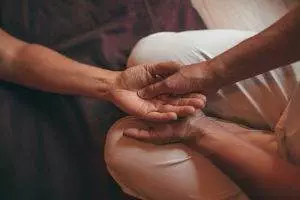
The treatment of chronic pain and inflammation with TCM goes back for many centuries. We use acupuncture and other methods to help relieve pain and reduce inflammation related to shoulder pain, knee pain, hip pain, neck pain, sprained ankle, and foot pain. TCM uses a variety of modalities to treat orthopedic pain conditions, including: acupuncture treatment, electro-acupuncture, moxibustion, cupping, Tui Na massage, exercise, and Chinese herbs in formulations for both internal (tea or pills) and external (pain patches) use. This multi-pronged approach can be very effective for reducing pain in the short term, while helping tissues to heal over time.
A controlled study in which patients suffering from lateral epicondylitis were divided into three groups and treated with either massage or acupuncture, or a combination of both, showed that patients who received the combination treatment experienced, for the most part, a complete recovery after twenty sessions.
Another controlled study that compared people suffering from chronic tennis elbow who were treated with real acupuncture versus sham acupuncture showed that at both the two week mark and the two month mark, people who had received acupuncture reported less pain and improved function of the arm joints.
Exercises and Pressure Points for Tennis Elbow Pain Prevention

If you are already experiencing tennis elbow pain or signs of golfer’s elbow, you may need to take some time off from sports or make accommodations to your work in order to rest the muscles and tendons of the forearm. Resting the arm is important for allowing inflammation to go down. Once you’re able to start exercising again, try these home remedies for tennis elbow that will help to prevent tendon problems in the future:
- To prevent repetitive stress conditions like tennis elbow and golfer’s elbow when playing sports, be sure to always warm up before playing and cool down afterwards. Practice your form, with a trainer if warranted, so that you know your technique is good and not contributing to pain or injury. Check your sports equipment regularly to make sure everything is in good condition and the right size and balance for you.
- Pressure points for tennis elbow: If you are experiencing pain in the elbow and forearm, you might try using this acupressure point to help tennis elbow pain: LI11 (Large Intestine Meridian 11) – located right in the crevice of the elbow crease, applying pressure to this point can help move Qi and blood through the joint and bring relief from tennis elbow pain. This point is also helpful for clearing heat and cooling you down after exercise, so it’s a good one to use right after a game or when you finish work.
- Exercises for Tennis Elbow – practicing gentle exercises that strengthen the muscles of the wrist and forearm can help prevent pain and tissue damage. Using light dumbbells or a flex bar can help with grip strength.
Acupuncture Near Me for Tennis Elbow on the Westside of Los Angeles
Whether you are an avid tennis player, or someone who works hard doing physical labor, elbow pain from lateral epicondylitis can really cramp your style. Athletes and active people of all ages need to take care of their bodies appropriately so as to avoid injuries that can lead to chronic pain. Adding acupuncture to your health regimen is a great way of providing basic maintenance for your body. Acupuncture treatment, therapeutic massage, and a good nutrition program can all help you keep your joints moving smoothly, without pain. At Art of Wellness, we have over 30 years of experience in helping to relieve orthopedic and musculoskeletal pain conditions.
*This article is for education from the perspective of Traditional Chinese Medicine only. The education provided by this article is not approved by FDA to diagnose, prevent, treat and cure human diseases. It should not stop you from consulting with your physician for your medical conditions. Traditional Chinese Medicine is based on Qi, which is an invisible force that usually cannot be observed by modern science. Because science focuses on testing ideas about the natural world with evidence obtained through observation, these aspects of acupuncture can’t be studied by science. Therefore acupuncture and Chinese herbs are often not supported by double-blind, randomized trials, and they are considered alternative medicine therapies in the United States.
How to Treat UTI With Acupuncture and TCM
By Qineng Tan, L.Ac., Ph.D. & Xiaomei Cai, L.Ac., Ph.D.
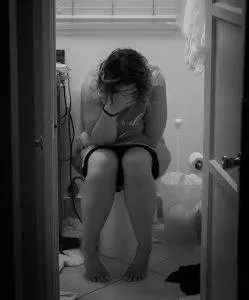
Why do I feel like I have to pee all the time? A urinary tract infection, usually referred to as UTI, is a bacterial infection that affects the bladder and/or other parts of the urinary system, causing urinary urgency, often accompanied by a burning pain when you go to the bathroom. Acupuncture and TCM is a good way to get to the root causes of frequent urination, including recurrent UTIs.
Urinary frequency, or an unusual urgency to urinate, can be caused by several different health conditions. A common cause of bladder pain, pressure on the bladder, or a burning sensation when peeing is a bacterial infection in the urinary tract, or UTI. But there can be many other reasons for constantly feeling like you have to pee, including diabetes, interstitial cystitis (IC), pregnancy, prostate problems, ovarian cysts, and more.
Over half of all adult women have experienced a UTI (also called cystitis) at some point in their lives. Many women get UTIs frequently, making them the most common type of non-hospital-related infection in the U.S. Up to 6% of all doctor visits are related to UTIs. A UTI can occur when bacteria, usually E. coli, gets into the urethra and travels up into the bladder, or further into the urinary tract. This can happen because of hygiene habits, after sex or exercising, or the use of contraceptives or period products. It can also happen when urine sits in the bladder for too long, or because a person has a weakened immune system.
While UTI treatment at home remedies such as drinking cranberry juice are popular, most women recognize that once they get that constant urge to pee, they have no choice but to rush to the doctor for antibiotics. Typical UTI medical treatment almost always involves confirming the infection by lab analysis, and a prescribed course of antibiotics, along with analgesic medicine (such as Pyridium) to help the UTI pain in bladder. Unfortunately, many women keep getting UTIs. Infections that are antibiotic resistant are increasingly common, and antibiotics do not get to the root of the problem.
Interstitial cystitis (IC), or painful bladder syndrome, is a condition that causes a constant sensation of having to pee, or bladder pressure, even when there is no infection present. Recurrent UTI and IC are a significant source of anxiety and depression for women, as they can cause almost constant pain and an inability to leave the house due to the constant urge to urinate.
UTI in men is not as common as UTI in women. The more common cause of frequent urination in men is benign prostatic hyperplasia (BPH), in which an enlarged prostate presses on the urinary organs, blocking the flow of urine, and causing backup that can lead to bacterial urinary tract infection men.
Sometimes what feels like a UTI might be something else. Growths in the pelvic area, such as ovarian cysts, uterine fibroids, or tumors can cause pressure in the bladder, bladder pain, or urinary frequency at night. Even when there is no infection, there may urinary symptoms such as:
- Strong urge to pee frequently (more than 8 times per day)
- Difficulty urinating
- Urine is different color than usual
- Pain during peeing, or burning sensation when peeing
- Nocturia, frequent urination at night
The conventional medicine answer to UTI is antibiotic treatment, but this is not the only answer for everyone. TCM methods of acupuncture and herbs can help with improving the function of bladder and kidney systems, reducing symptoms from recurrent UTIs, as well as helping to address the deeper problems that cause inflammation and pressure in the bladder.
Top 10 Urinary Frequency Causes
There are many possible causes of frequent urination.
- UTI (urinary tract infection, also called cystitis, or bladder infection)
- Kidney infection – when bacteria move further up into the urinary tract, the kidneys can become infected. Sometimes people with nerve damage in the spine cannot feel UTI symptoms (neurogenic bladder), so the infection becomes more widespread.
- Bladder stones – when the bladder does not empty completely, urine can crystallize and form hard stones, causing pain during urination.
- Interstitial cystitis (painful bladder syndrome) – a syndrome of urinary pain symptoms, the exact cause of which is unknown. Inflammation of the bladder lining may be due to trauma (from surgery or delivery/birth), overdistension, or dysfunction of the pelvic floor muscles.
- Prostatitis – inflammation of the prostate accompanied by irritation of the nerves in the area; not necessarily an infection, although a bacterial infection of the prostate can occur.
- Urinary incontinence – leakage of urine, occurs when the urethral sphincter that controls the flow and stoppage of urine is weak. More common in women and older people.
- Vaginitis – inflammation of the vagina, usually due to infection. Candida, or yeast infection, is one type of vaginitis.
- Diabetes – can cause a variety of urinary problems, due to the body producing more urine to process blood sugar, and nerve damage that leads to urinary retention and incontinence. Constant thirst is also a sign of diabetic urinary symptoms.
- Side effects of cancer treatment in pelvic area – cancer treatments that affect the pelvis, including radiation, chemotherapy, immunotherapy, and surgeries to remove pelvic organs, can all cause irritation or damage to the bladder.
- Overactive bladder (OAB) – a group of symptoms, including frequent urination, leakage, nocturia (getting up to pee at night), and primarily, a strong urge to urinate often. Considered to be caused by inappropriate signalling of the nerves that communicate between the brain and the urinary tract organs.

Causes of frequent urination vary somewhat according to biological sex. Frequent urination in men is often caused by prostate problems, while frequent urination in women may be due to pregnancy or other womens’ health conditions related to the ovaries or uterus.
Pressure on the bladder because of pregnancy, or from other organs, can also cause urinary frequency and discomfort. This can happen due to an anterior prolapse, when the pelvic floor is weakened, and the uterus, intestine, or bladder drop from their normal position. When a woman is pregnant, the heavy uterus often causes more frequent urination, or, in some cases, urinary retention. Damage or trauma to the pelvic floor can occur during delivery, so many women experience weak pelvic floor muscles, prolapsed uterus or bladder, and ongoing urinary urgency after they have had a baby.
In men, an enlarged prostate or prostatitis (infection and inflammation of the prostate) can put pressure on the bladder and other parts of the urinary system.
A frequent need to pee can also be caused by drinking too much coffee or alcohol, or taking diuretics.
Can Acupuncture Help Frequent Urination?
In Chinese Medicine, urinary problems come under the classification of “Lin Syndromes.” Lin disorders generally involve painful, “dribbling” urination and are caused by disharmonies in the Bladder and Kidneys, as well as involving other major organs like the Heart, Liver, and Spleen. Dampness and Heat are the primary pathogenic factors, so we use acupuncture treatment and herbal formulations to clear heat and dampness from the body.
Top 5 TCM differentiations of UTI:
- Damp Heat – characterized by frequent urination, burning sensation when peeing, painful pressure in bladder, dark urine or cloudy urine that smells unusual, feelings of nausea, bitter taste in mouth
- Heart Fire – frequency and urgency, thirst, hot, red face and chest, trouble sleeping/insomnia, irritability, anxiety, heart palpitations
- Liver Fire – excess heat causes painful burning during urination, headaches, ringing in ears/tinnitus, constipation, feelings of anger and frustration, redness in eyes and face.
- Fatigue Lin – covers urinary disorders that involve incomplete emptying of the bladder, due to prostate enlargement or prolapsed pelvic organs.
- Stone Lin – obstructions of the urinary system due to buildup of minerals that create stones in the bladder, kidney stones, etc.
Patients who have problems with recurring UTIs may be resistant to the antibiotics they’ve been given. TCM herbs can be used as an additional or alternative remedy from antibiotics and help to strengthen the immune system overall. One review of studies involving the use of Chinese herbal medicine (CHM) for UTIs concluded that the herbs, whether used alone or in conjunction with antibiotics, worked better than antibiotics alone.
One study showed that women who were prone to getting UTIs who were treated with acupuncture as preventative care only got a UTI one-third as often as women who didn’t receive acupuncture. Acupuncture has also been shown to be highly effective for bladder pain due to interstitial cystitis. Studies have also shown that TCM treatment can relieve the blockage of urine caused by an enlarged prostate (BPH).
Top 5 Tips for Preventing UTI

What a relief! Now that you’ve gotten over that urinary tract infection, it’s important to take steps to prevent getting another UTI. Here are some natural ways to prevent UTIs:
- Drink more water – This may seem counterintuitive, as you don’t want to have to pee even more. But you do want to be constantly flushing bacteria out of the urinary tract. Avoid drinks like coffee and soda, which can be irritating to the bladder.
- Go when you feel you need to – Some therapies for overactive bladder or IC involve training yourself to hold urine, but for most people, this is not a good idea. Retaining urine for too long contributes to bacterial growth and causes overdistension of the bladder.
- Hygiene – be sure to wipe from front to back when you go to the bathroom. Change clothes and underwear often, especially after sweating. During your menstrual period, change your pad and tampon frequently.
- After sex – always go to the bathroom and urinate before falling asleep.
- Avoid chemical products – Avoid using deodorants, douches, or scented wipes around the genital area. Consider whether contraceptive products like spermicides might also be part of the problem.
Acupuncture Near Me for UTI
While it is rare for a UTI to become so serious that you have a fever or become nauseated, urinary problems should be taken seriously before they become worse. If your UTIs keep coming back, or you constantly feel like you have to pee, it may be a sign that there is something deeper going on. As people age, urge incontinence, prolapsed organs due to weak pelvic floor muscles, and nerve damage can lead to more serious bladder problems. TCM provides a holistic way to treat urinary tract issues, as well as other, possibly hidden conditions in the pelvic region. Urinary urgency may be a signal of something else, so don’t ignore it. Consult with your acupuncturist to find urinary frequency relief.
*This article is for education from the perspective of Traditional Chinese Medicine only. The education provided by this article is not approved by FDA to diagnose, prevent, treat and cure human diseases. It should not stop you from consulting with your physician for your medical conditions. Traditional Chinese Medicine is based on Qi, which is an invisible force that usually cannot be observed by modern science. Because science focuses on testing ideas about the natural world with evidence obtained through observation, these aspects of acupuncture can’t be studied by science. Therefore acupuncture and Chinese herbs are often not supported by double-blind, randomized trials, and they are considered alternative medicine therapies in the United States.
How to Treat Hip Pain With Acupuncture and TCM
By Qineng Tan, L.Ac., Ph.D. & Xiaomei Cai, L.Ac., Ph.D.
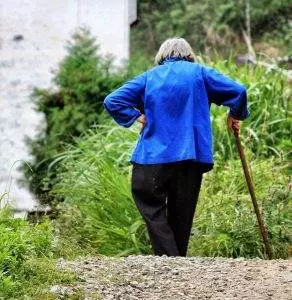
Are you suffering from hip pain symptoms like lower back and hip pain on one side, pain in buttocks shooting down leg, hip pain at night, or hip pain when walking? Several different conditions can cause pain in the hip or pain in the buttocks that radiates down the leg. It could be hip pain due to bursitis or arthritis, or related to sciatic nerve pain or piriformis syndrome. TCM and acupuncture treatment can help relieve pain in the hip, buttocks, and lower back.
The hip joint is very complex; it’s made up of a ball-and-socket bone structure with almost 30 different muscles and tendons surrounding it. Hip pain is common, especially among older adults, although people of any age can be affected by pain in the hip, buttocks, or lower back. It can be difficult to pinpoint the causes of hip pain, as there are many different possible reasons for hip pain, and the aching sensation can move from place to place, or suddenly become more intense. The hip pain location, the quality of the pain, and when it happens can tell us a lot about what is causing pain in the buttock or hip area, so it is important to pay close attention to the type of hip pain. For example, is it sudden hip pain? Hip pain gets worse at night? Is the hip pain worse after sitting for long periods?
What does arthritis in the hip pain feel like? Hip pain that develops slowly over a period of time may be due to osteoarthritis. Other signs of osteoarthritis of the hip include:
- Hip pain worse in the morning, feel better after moving around.
- Grinding sensation, ache, stiffness, soreness, sometimes, hip feels locked up.
- Hip pain that gets worse when start to exercise, but usually gets better once warm up, and worse again after excessive exercise.
- Pain that goes from the hip down to the knee or across the back
This is the type of arthritic hip pain that comes on with age and many years of use, as the cartilage that cushions the hip joint wears down over time. Osteoarthritis of the hip can be more painful when it rains. Left untreated, hip osteoarthritis can cause people to lose mobility and even walk with a limp.
Sharp hip pain or tenderness when you lie on your side or sit down may be due to hip bursitis.
- Hip pain worse at night
- Hip pain stiff when getting up
- Difficulty walking, hard to squat or sit
- General ache all over the back, groin, hip area
Bursitis is inflammation of the small, fluid-filled sacs that provide cushioning around large joints like the hip. The outer part of the hip bone is topped by the trochanteric bursa; when this bursa becomes inflamed, due to a bump or fall, overuse, or some other injury, it can cause pain on the outside of the hip or buttock area.
Gradually worsening hip pain, or feeling stiff and sore in the morning can be a sign of hip flexor tendonitis or tendinitis of the hip. This is caused by inflammation of the tendons and connective tissues in the hip, usually due to high intensity sports activities.
A shooting pain that seems to radiate down from the hip to the leg and even the foot is often a sign of sciatica, a kind of nerve pain. The sciatic nerves extend from the lower spine and branch out into the buttocks and down the legs. When the sciatic nerve is compressed, it can cause numbness, tingling, pins and needles, or radiating pain to shoot from the buttock down one leg. Other sciatica symptoms can include:
- intermittent pain that comes and goes
- weakness in one leg
- sharp pain that feels like a jolt
- burning pain in buttock, burning pain in one leg
- pain that is worse when bending or standing
Sciatic pain can happen due to impingement or a pinched nerve from a herniated disk in the lower spine (lumbar herniated disk), or other spinal problems like spinal stenosis (narrowing of the spine that compresses nerves) or spondylolisthesis (slipped disc).
Radiating pain in the buttock that is similar to sciatic pain can also be caused by problems with the soft tissues of the buttock, especially the piriformis muscle. Inflammation, spasms, or tightness in the piriformis muscle can cause compression of the sciatic nerve, which runs just underneath, or in some cases, through the piriformis. This condition is known as piriformis syndrome.
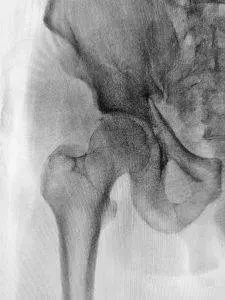
Moderate hip pain is usually treated with medications and/or injections to relieve pain and reduce inflammation, along with perhaps a referral to physical therapy (PT) to help strengthen the muscles of the hip. Severe hip pain that persists beyond treatment with PT and medication may lead to surgery as a last resort. In many cases, TCM methods including acupuncture can help relieve the pain and inflammation of osteoarthritis, sciatica, bursitis, tendonitis, and other causes of hip pain, without the side effects of medications or complications of hip surgery.
Top 10 Hip Pain Causes
Pain in the hip and buttock on one side, pain in the butt, or hip pain can be related to one or more of a variety of conditions affecting the hip joint, the lumbar spine, or the soft tissues of the hip and buttock area. Causes of hip pain can include:
- Arthritis hip pain or Osteoarthritis of the hip – arthritis is a general term for joint pain. Pain in the hip joint can occur due to constant wear-and-tear over the course of many years, leading to inflammation in the hip joint and the breakdown of cartilage.
- Bursitis outer hip pain – swelling and inflammation of the hip bursae
- Sciatica in hip – nerve pain due to compression of the sciatic nerve
- Piriformis syndrome – inflamed or tight muscles in the buttocks compress the sciatic nerve, causing pain or numbness in the buttock, hip, and leg
- Hip Tendonitis – trauma or use injury to the connective tissues of the hip joint
- Sacroiliac joint pain or SI joint pain – the sacroiliac joints connect the hip bones to the lower spine and tailbone. This joint is designed to move subtly; too much or too little movement can cause dysfunction and pain across the low back and hips. It is fairly common for women to experience some SI joint pain (and also sciatica) during pregnancy.
- Muscle strain – if one of the large muscles that makes up the hip joint is stretched past its usual range of motion, hip strain can cause pain and swelling. This can happen during normal daily activities, but most often happens during sports or exercise, possibly if someone has not warmed up adequately.
- Hip dysplasia or Dislocated hip – some people are born with anatomical abnormalities of the hip joint, when the socket part of the joint doesn’t fully fit around the ball part. This can lead to instability in the hip, dislocation of the hip, damage to cartilage, pain in the groin and hip, and higher risk of osteoarthritis.
- Hip fracture – fractures in the hip are common among older people, women especially. A hairline hip fracture or broken hip may cause a vague pain in the lower back, pain in groin, or pain down the leg or knee pain. Hip fractures can lead to other serious problems, like blood clots, infections like UTIs, or pneumonia.
- Hip Labral Tear – a labrum is a piece of cartilage that absorbs shock and helps the functioning of the major joints of the body in various ways. You may have heard of a labral tear in the shoulder that causes shoulder pain; hip labral tear is similar. This could mean overall degeneration of the cartilage, or the labrum becoming detached from the bone, or the formation of a cyst around the area. Injury to the labrum of the hip can cause pain deep in the groin.
How Is Hip Pain Treated?
Hip pain is usually treated initially with anti-inflammatory pain relief medications like NSAIDs. Cortisone injections may also be recommended for conditions like bursitis or hip tendonitis. While cortisone shots for hip pain may help relieve pain in the short-term, repeated injections can cause damage to the area. Cortisone can also raise blood sugar levels, which can be dangerous for people who have diabetes or are at risk for diabetes or metabolic syndrome.
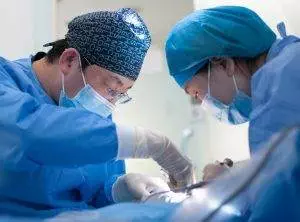
Arthroscopic surgical techniques allow orthopedic surgeons to operate on the hip joint in a minimally-invasive way. This may be done to repair a torn labrum or remove loose cartilage. More complex surgery may be indicated to repair hip dysplasia or serious degeneration due to osteoarthritis. Hip replacement surgery is becoming more common, with over 450,000 total hip replacements currently being performed each year in the U.S. While many people are able to get relief from chronic hip pain through hip replacement, it is a major decision, and there are significant risks involved, including: infections, fractures that occur during the surgery, nerve damage, etc. The risk of blood clots after a hip replacement necessitates taking blood thinners. Even under the best circumstances, the prosthetics that are implanted during a hip replacement do not last forever, and some people may have to have a second operation to replace the replacement.
Acupuncture treatment can help to reduce inflammation and alleviate pain in the hip due to osteoarthritis and other complaints, without the risks of long-term pain medication use.
Can Acupuncture Help Hip Pain?
According to TCM theory, arthritis of the hip is considered a Bi Syndrome, a condition in which stagnation of blood and Qi (life force energy) causes pain and stiffness in the muscles and joints. Cold, wind, and heat are pathogenic factors that cause the blockage of energy moving freely through parts of the body. Imbalances in the organs, such as the kidneys, gallbladder, spleen, and stomach can also contribute to Bi Syndrome hip pain. Standard approaches that seek to alleviate pain do not help treat the problem at the source. A TCM practitioner can address the root source of the blockage and pain with acupuncture and herbal supplementation.
Sciatica nerve pain that affects the buttock, hip, and leg is also considered to be a Bi Syndrome condition, and is due to obstructions in the flow of Qi through the gallbladder and bladder meridians. Acupuncture treatment helps relieve nerve pain by acting as an analgesic, reducing pain signals and increasing the production of endorphins in the body, while reducing inflammation in the surrounding tissues and helping the nerves to heal.
One study of patients suffering sciatic pain who were treated with TCM found that acupuncture alone had an 81.6% efficacy rate for reducing pain symptoms, while acupuncture combined with herbs was 95% effective. A follow-up with patients who had been treated with acupuncture for sciatica related to herniated disc showed that people had experienced long-term positive results.
Tendonitis of the hip and hip bursitis are inflammatory conditions that can also be helped with acupuncture and herbs. A review of acupuncture treatment for pain related to herniated disc concluded that TCM methods worked better than pain medication or traction therapy.
An experienced TCM practitioner will also be able to help you with making changes in your diet and exercise programs that will reduce inflammation while strengthening both your Qi and the muscles of your lower back and hip joints.
Top 5 Tips for Hip Pain

Here are some steps you can take to get rid of hip pain and prevent it from coming back, in addition to getting acupuncture treatment and taking Chinese herbs:
- If lower back pain and hip pain is due to sciatic nerve pain, pinched nerves, or disc problems/herniated disk, it is still important to keep moving your body. Too much time in bed can actually do more harm than good. When exercising, be sure to warm up adequately. Take things slowly, and listen to your body. Vary your exercise to include gentle movement modalities like Tai Qi, which emphasize rotation of the joints. Strength training, working out with weights, is also great to strengthen the major muscle groups that support the back and hips.
- Some conditions, such as a hip labral tear, muscle strain in the hip, or fractured hip, may require rest to heal. It can be difficult to take time out for healing in our modern fast-paced culture, but do your best to use this time to rest well, work on a meditation practice, and make your health your top priority.
- Don’t keep your phone or wallet in your back pocket. This creates imbalance and puts pressure on one side of the hip and pelvis.
- Be sure that your sleeping position helps to reduce stress on the lower back. Using a bolster under your knees may help. Mattresses should be medium-firm.
- Weight management, or losing weight, can help to take a lot of stress off of the joints. An anti-inflammatory diet (avoid spicy foods, and nightshade vegetables: tomatoes, potatoes, peppers, eggplant) will also help.
Acupuncture Near Me for Hip Pain
Hip pain is not something to ignore. Healthy hip joints are vital to continued mobility and quality of life. Sadly, it is well-known that a fractured hip often means the end of an active life for an older person. It doesn’t have to be this way. If you or someone you love is noticing hip pain interfering with life, it may be the time to treat hip pain with acupuncture and herbs. Adding an acupuncturist to your healthcare team for integrative care can make all the difference.
*This article is for education from the perspective of Traditional Chinese Medicine only. The education provided by this article is not approved by FDA to diagnose, prevent, treat and cure human diseases. It should not stop you from consulting with your physician for your medical conditions. Traditional Chinese Medicine is based on Qi, which is an invisible force that usually cannot be observed by modern science. Because science focuses on testing ideas about the natural world with evidence obtained through observation, these aspects of acupuncture can’t be studied by science. Therefore acupuncture and Chinese herbs are often not supported by double-blind, randomized trials, and they are considered alternative medicine therapies in the United States.
How to Treat Herpes Simplex With Acupuncture and TCM
By Qineng Tan, L.Ac., Ph.D. & Xiaomei Cai, L.Ac. Ph.D.

Cold sores around mouth, blisters on lips? Burning, itching sores around the genital area? Herpes simplex is a skin disorder caused by one of two viral infections: HSV-1 or HSV-2. TCM methods, including acupuncture and herbs, can help clear up a painful herpes outbreak and prevent herpes simplex outbreaks in the future.
Herpes simplex is one of the most common kinds of infectious disease, affecting several billions of people worldwide. It is estimated that about 66% of the world’s population has had a HSV-1 infection at some point in their lives. Herpes simplex virus type 1 (HSV-1) is the viral infection that is associated with oral herpes or orolabial herpes–the one that causes sores around the mouth, often referred to as “cold sores” or “fever blisters.” Herpes simplex virus type 2 (HSV-2) is the kind that causes genital herpes. Herpes virus is related to varicella-zoster viruses, the viruses that cause Chickenpox and Shingles.
How do you get herpes? The skin infection caused by herpes simplex spreads from person to person through close contact. HSV-1, or oral herpes, can spread through sharing utensils, toothbrushes, or towels, or by touching one of the mouth sores, or kissing. HSV-2, or genital herpes, is usually spread through sexual contact is therefore considered a sexually transmitted disease (STD). In fact, either one of the two viral infections can cause sores on the mouth or genital area, or even on other parts of the body. If oral herpes, or HSV-1, gets into the eyes, it can cause serious damage, even causing scarring or permanent loss of vision.
A person can pass herpes to another person even if they aren’t having an active outbreak with visible sores. A pregnant woman can pass the herpes virus to her baby during birth, and the virus can also be passed during breastfeeding. Once a person has been infected with HSV-2, the virus stays in the body and can lie dormant, then resurface in periodic recurrent outbreaks.
Initially, herpes skin disorders manifest in the skin cells, causing the red, painful, blister-like sores. After a while, the infection moves deeper, into the nerve cells, where it can lie dormant until something happens to activate it again, like an illness or stressful life event.
Medical treatment for herpes simplex focuses on minimizing the pain of an outbreak of sores and attempting to prevent future outbreaks with antiviral medications. People who have genital herpes must take care to practice safe sex and avoid sex during outbreaks in order to prevent spreading herpes to their partners. People with herpes can suffer from depression brought on by the knowledge that they may have to live with this highly contagious viral infection for the rest of their lives, and with the danger of possibly transmitting herpes simplex to others with whom they are intimate.
Fortunately, TCM herbs and acupuncture offer an alternative medicine option for dealing with herpes simplex. TCM can help with quick healing of the burning sores that signify an outbreak, but can also work on a deeper level to strengthen the immune system so that it can fight the virus better from within.
Top 5 Symptoms of Herpes Simplex
Signs of a herpes simplex infection depend on which type of viral infection you have, and where the infection spreads. Usually, symptoms manifest either around the mouth or genital area, but sometimes the herpes virus can spread to the eyes (herpes keratitis). The most common symptoms of herpes include:
- Itching, burning, tingling around the mouth or genital area
- Painful, fluid-filled blisters or sores around the mouth or genital area
- Flu-like symptoms: fever, body aches, swollen glands
- Trouble urinating, burning sensation when peeing
- Pain in eyes, cloudy vision
Once a person has had their first symptomatic period of a herpes infection, they may have recurrence of symptoms periodically–in some cases, frequently. The majority of people who have been infected with HSV-2 experience another outbreak within a year; some people experience recurrent outbreaks several times a year or as often as once a month.
There are a few other skin conditions that might sometimes be mistaken for herpes simplex. Impetigo is a bacterial infection that can cause red sores to form around the mouth and nose. “Jock itch” is a fungal infection that can cause a red rash in the groin area. Folliculitis is when hair follicles become inflamed and form pimples with pus; this can happen in the facial or genital region due to shaving, but it can also be related to herpes, if the viral infection causes irritation and blockages in the hair follicles. Molluscum contagiosum is another viral skin infection that causes raised lesions to form; however, they are generally painless and flesh-colored, not similar to herpes lesions. Bacterial vaginosis, a common bacterial infection which can cause a burning sensation in the vagina, may increase a woman’s chances of getting herpes and other STDs.
What Triggers a Herpes Outbreak?
The herpes virus is similar to the varicella virus (chickenpox) in that it stays in the body long after the initial infection, and can flare up and cause trouble later on. The varicella virus can lie dormant for many years, and then emerge as a case of Shingles late in life, causing a very painful rash.

Herpes can cause rare or frequent outbreaks, depending on the severity of the initial infection, how or if it was treated, and what sort of care a person takes to prevent recurrences. A person who has experienced recurrent outbreaks may become aware of early signs that show up a few days before sores actually break out on the skin, such as tingling or shooting pain in the genital area or around the hips or legs.
The things that can trigger a herpes simplex outbreaks include:
- Illness, fever
- Suppression or weakness of the immune system
- Exposure to sunlight, changes of the season or temperature
- Menstrual period, hormonal changes
- Prolonged period of stress, emotional stress
- Surgery, trauma
Medical Treatment for Herpes Simplex
The typical treatment for herpes simplex HSV-1 and HSV-2 includes the use of antiviral medications such as acyclovir (Zovirax), famciclovir (Famvir) and valacyclovir (Valtrex). These medications may be taken intermittently, to help treat outbreaks when they occur, or, in some cases, may be recommended for daily usage to help prevent outbreaks from occurring. For some people, these medications help to reduce the frequency of outbreaks, and there is some evidence that they may help prevent a person’s sexual partner from being infected. However, these antiviral medications do not help everyone who has herpes simplex. They can only reduce the spread of the virus in the body; they do not eliminate it completely. Some people may become allergic or resistant to the drugs. Some people experience side effects, including potentially serious kidney problems or unusual bleeding.
TCM treatment with herbs and acupuncture can help to reduce the severity of herpes outbreaks and prevent recurrence, without any negative side effects.
Can Acupuncture Help Herpes?
From the TCM point of view, the redness and burning of the blister-like rash that accompanies viral infections like herpes and varicella is caused by heat and dampness. Clearing heat and damp from the liver and gallbladder will usually be one of the primary goals of acupuncture treatment and herbal supplementation, as this will help to quickly cool down an outbreak of the painful sores. Maintaining the health and balance of the liver system long-term will help to prevent future outbreaks.
TCM also factors in emotional well-being when considering each individual’s presentation of a disease. The flare up of herpes simplex viral infection is associated with stress and negative emotions, especially anger. Anger is connected to the Liver and Gallbladder, and also to the eyes, which is why sometimes the herpes skin disorder will manifest in the eyes. Learning lifestyle behaviors and dietary choices that will help to balance the emotions and reduce excess heat in the body will also help reduce the occurrence of herpes flare ups.
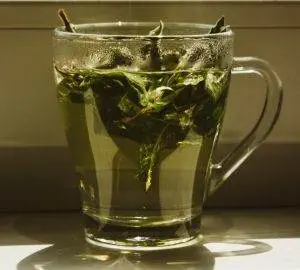
Some herbal formulations work well to heal sores related to herpes outbreak. There are also specific Chinese herbs that function as “antivirals.” These herbs can help control the virus in the body, which, when combined with treatment and herbs that strengthen the immune system, can be effective at reducing the risk of recurrent outbreaks of herpes.
Acupuncture Near Me for Herpes Simplex
While herpes simplex is often considered a disease one has to “learn to live with,” it is not necessary to suffer the pain and emotional burden of herpes simplex infection without relief. Alternative medicine for herpes in the form of acupuncture and herbs offers a holistic treatment option that can help relieve the physical symptoms of recurrent herpes outbreaks as well as associated mental and emotional struggles with shame, anxiety, depression, and relationship concerns. Boosting the immune system, strengthening the Qi and organ systems, reducing heat through proper nutrition, and relieving stress can all work to help people with herpes live free of the fear of the next outbreak.
*This article is for education from the perspective of Traditional Chinese Medicine only. The education provided by this article is not approved by FDA to diagnose, prevent, treat and cure human diseases. It should not stop you from consulting with your physician for your medical conditions. Traditional Chinese Medicine is based on Qi, which is an invisible force that usually cannot be observed by modern science. Because science focuses on testing ideas about the natural world with evidence obtained through observation, these aspects of acupuncture can’t be studied by science. Therefore acupuncture and Chinese herbs are often not supported by double-blind, randomized trials, and they are considered alternative medicine therapies in the United States.
How to Treat Hemorrhoids With Acupuncture and TCM
By Xiaomei Cai, L.Ac., Ph.D. & Qineng Tan, L.Ac., Ph.D.
Bleeding and discomfort when you go to the bathroom? Burning or itching around the anus? Hemorrhoid pain is caused by swollen blood vessels around the rectum. Acupuncture and TCM reduce inflammation and can bring swift hemorrhoid relief.
Sometimes called “piles,” (from the Latin “pila,” meaning “balls”), hemorrhoids often do resemble little balls or clusters of grapes. The word “hemorrhoid” actually refers to the specific formation of blood vessels and cushioning tissues that surround the anus. Colloquially, though, the term is usually used to describe the condition of inflammation and irritation that can occur in this area.
Hemorrhoids are very common; probably more than half the population experiences them at some point in their life. However, the discomfort of talking to a doctor about hemorrhoids can be almost as miserable as the physical discomfort of having them, so many people avoid getting hemorrhoid help.
How do you know if you have a hemorrhoid? Sometimes people have a lot of itching, burning and discomfort after a bowel movement, or throughout the day. Sometimes there is no pain, but you may see a little bit of blood in the toilet bowl, or when you wipe with toilet paper. When you touch the area, you may feel a lump, or swollen tissue.
Hemorrhoids are generally classified into two categories based on their location: internal hemorrhoid and external hemorrhoid. Internal hemorrhoids form inside the anus and lower rectum and can cause bleeding, usually without pain. In some cases, though, the swollen veins can protrude out from the anal sphincter during or after a bowel movement and then need to be pushed back in. This is called a “prolapsed internal hemorrhoid.” The situation can become more serious if the internal hemorrhoid can’t be pushed back in, or if a blood clot develops in the vessel (thrombosis); then, it becomes painful to go to the bathroom, or even sit. In some cases, a prolapsed hemorrhoid becomes “strangulated,” meaning the blood supply is cut off, which can cause severe pain. Hemorrhoids become prolapsed because the connective tissues in the area weaken due to intense pressure, usually due to straining during a bowel movement, or because of the extra weight of pregnancy or obesity.
External hemorrhoids develop outside the anus, under the skin. These are the kind of hemorrhoids that tend to cause itching and a little bit of bright red bleeding. Again, they are aggravating, but not too serious unless a blood clot forms; then, it is called a “thrombosed external hemorrhoid.” This type of hemorrhoid can turn blue or purple in color and become acutely painful. In some cases, surgery will be performed to drain blood from the clot, or remove the hemorrhoid.
Most of the time, people suffer quietly with hemorrhoids, waiting for them to go away on their own. Only when they cause severe pain and bleeding are medical treatments considered. However, TCM and acupuncture offer a way to deal with hemorrhoids so that they heal more quickly and reduce the chance to return.
Top 10 Hemorrhoid Causes

What causes hemorrhoids? The tissues and blood vessels around the anal area can become weak, irritated, and inflamed. The upright posture of our human bodies naturally puts pressure on the elimination organs. Many women get hemorrhoids during pregnancy and/or birth because of intense pressure on the perineal area.The major reasons for hemorrhoids include:
- Pregnancy
- Constipation
- Diarrhea
- Sedentary lifestyle
- Straining while on the toilet
- Sitting too long on the toilet without progress
- Lack of dietary fiber
- Obesity
- Family history of hemorrhoids
- Aging
Overall, focusing on eating a diet that includes plenty of fiber, drinking enough water, maintaining good bathroom habits (going when you feel the urge and not waiting) and a healthy weight will go a long way towards preventing hemorrhoids. But what can you do when you already have hemorrhoids?
Treatment for Hemorrhoids

Often, people will just deal with hemorrhoid itching and pain on their own by using over-the-counter products like creams that contain phenylephrine, which constricts blood vessels (Preparation H), or disposable wipes impregnated with witch hazel and other soothing ingredients (Tucks medicated pads). These treatments may help reduce pain and swelling temporarily, but they do not get rid of hemorrhoids at their root.
When people do talk to their doctor about hemorrhoids, they may be prescribed something stronger, like a steroid cream, or hydrocortisone rectal suppositories.
If the situation persists or becomes more severe, there are several types of outpatient procedure to treat hemorrhoids, including rubber band ligation, sclerotherapy, infrared photocoagulation, and electrocoagulation. All of these procedures cut off blood supply to the hemorrhoid, so that it will form scar tissue and fall off. Hemorrhoid stapling and hemorrhoidectomy are outpatient procedures in which the hemorrhoids are surgically removed, and/or prolapsed tissues are affixed back inside the anus. While these surgeries may be helpful in some cases, recovery can be painful, and there can be problems with the way things work afterwards, potentially leading to more surgery later on.
When hemorrhoids are severe, it is a good idea to consult your doctor, as there are more serious conditions that may produce similar symptoms of pain, itching, or bleeding, including anal fissure (torn tissue or open sore in the anus due to trauma or Crohn’s disease complications), anal abcess (infected cavity in the anus) or anal fistula (an opening from the anal or rectal area that drains pus and/or fecal matter). Sometimes skin tags develop around the area where a hemorrhoid has healed. These can be irritating and difficult to keep clean, so they may need to be surgically removed.
For the treatment of hemorrhoids, TCM methods can provide relief from symptoms and help to reduce the inflammation that caused them.
Can Acupuncture Help Hemorrhoids?
According to TCM philosophy, hemorrhoids can often be related to a build-up of heat and/or dampness in the lower abdominal area; it’s the heat and dampness that cause the blood vessels to swell. You might be concerned by the idea that acupuncture treatment for hemorrhoids would involve needles being placed in a highly sensitive, private area. Let us reassure you this is not the case. The Du Mai meridian, also known as the “Sea of Yang,” is the channel which runs from the rectum area up along the spine to the top of head and then down to the mouth, controlling Yang energy throughout the body. We use points along this meridian, on the top of the head, and in other parts of the body to draw excess heat and dampness away from the area where the hemorrhoids are.
Other presentations of hemorrhoids include:
Top 5 Types of Hemorrhoids Presentation in TCM
- Spleen Qi Deficiency – This is when people tend to have poor digestion, bloating, gas, and diarrhea, going to the bathroom very often; the hemorrhoids feel swollen, but not as red. We use moxibustion to work on stomach point 36 meridian point, CV points 6 and 4, and spleen 6 in the middle of the abdomen to help digestion.
- Spleen Qi Sinking- This presentation tends to happen to people who are thinner, not only having hemorrhoids, but all the organs tend to be lower than usual; may also have prolapsed bladder or uterus, and poor digestion. Moxibustion applied to the middle of the top of the head will head the Qi rise up. For both types, doing Kegel type exercises regularly can help to strengthen the rectal area, also the uterus and bladder. Do three sets, increasing a bit every time: for example squeeze 30 times, release, do again 35, rest, next 40, then rest. Do this exercise every morning and evening.
- Blood Stasis – This type is more and more common because of our modern lifestyle, due to sitting a lot for work, which causes blood circulation to be compromised. In Chinese, we have a proverb: “for 10 people who sit too long, 9 will have hemorrhoids.” These manifest more as red, swollen, maybe bleeding. Kegels will also be helpful here, too.
- Lower Jiao Fire/Heat – This is when the lower part of the body has too much fire. For this type of hemorrhoids, people tend to have more bleeding, especially triggered by having alcohol, spicy food, crunchy food. These are the kind that may feel very sore with a burning sensation and tend to bleed, especially when wiping.
- Intestinal Dryness – especially here in California, where we have hot, dry weather, without a good habit of drinking water, people can tend to constipation, even going only once or twice a week. These types of hemorrhoids are due to dry, uncomfortable bowel movements, and may have itching and bleeding. Adding more water (warm is better) and more moisturizing foods (sesame oil and lots of ripe bananas, flax seeds, chia, sweet potato/yam, prunes) will be helpful.
Kegel type exercise is helpful for all of these types, to strengthen the sphincter muscle and bring more circulation to the area. Add more movement overall. At bedtime, leg lifts, bicycle movements in the air, upside down, are a good way to exercise without putting pressure on the lower body.
Ideally, when there is good digestion, between 5:00 – 7:00 a.m. is when people should naturally want to go, quickly, without too much need to push. Sitting on the toilet for too long creates the pressure that leads to hemorrhoids.
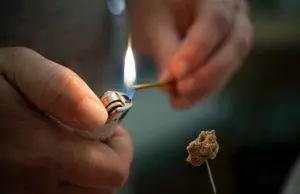
Moxibustion treatment–the burning of the herb mugwort near an area–can be very effective for reducing pain quickly. Chinese herbal formulations, used both internally and externally, can help relieve inflammation and pain. An herbal tea formula may include herbs to help strengthen the energy of the spleen, and to lubricate the digestive tract.
We also recommend sitz baths as a home remedy for hemorrhoids: short, 15-minute baths in warm water, to help soothe the area and keep it clean. Your acupuncturist may give you an herbal bath sachet to use to help reduce inflammation and soother the tissues.
One study of acupuncture treatment for internal hemorrhoids showed that, after 24 days, 86% of patients were “cured,” while another 8% showed significant improvement.
Your acupuncture practitioner will also talk with you about changes you can make in your diet and bathroom habits that will help you get things moving more easily.
Acupuncture Near Me for Hemorrhoids
Hemorrhoids are not only irritating; they are a sign that you may need to pay more attention to what you’re eating, and that you need to give yourself a little more time for relaxation, in and out of the bathroom. A combination of acupuncture, herbs, and other TCM treatment for hemorrhoids can help get the pain and swelling behind you.
*This article is for education from the perspective of Traditional Chinese Medicine only. The education provided by this article is not approved by FDA to diagnose, prevent, treat and cure human diseases. It should not stop you from consulting with your physician for your medical conditions. Traditional Chinese Medicine is based on Qi, which is an invisible force that usually cannot be observed by modern science. Because science focuses on testing ideas about the natural world with evidence obtained through observation, these aspects of acupuncture can’t be studied by science. Therefore acupuncture and Chinese herbs are often not supported by double-blind, randomized trials, and they are considered alternative medicine therapies in the United States.