 by Qineng Tan, L.Ac., Ph.D.
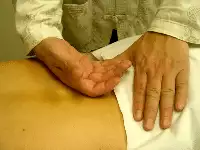
The American College of Physicians has just recently issued new guidelines regarding the treatment of low back pain – specifically advocating that patients first choose natural and alternative therapies, such as acupuncture and massage, over pain medications.
Acupuncture is the one modality recommended for both chronic and acute back pain.
Pain in the lower back is one of the most common complaints heard by doctors. The vast majority (80%) of adults experience this pain at some point. Low back pain is the 2nd most common cause of disability among adults in the U.S.
Back pain presents a challenge for physicians, because in many cases, there is no clearly discernible “cause.” Imaging scans may help us get a picture of structural damage to the spine, but they do not tell us the whole story. Pain is not just about structural or mechanical problems in the body. The problem may be mechanical, but it may also be chemical, emotional, behavioral, sociological, or a combination of any of these.
In my 30 years of practice in treating all different types of lower back pain, I have often seen patients who had only minor structural problems but were experiencing severe pain. I have also seen many patients who have had surgery to correct a problem; their scans may show that the problem has been “fixed”–but they are still in a lot of pain. In other words, a person’s experience of pain or loss of mobility may not correspond to what we see in an image.
Common conditions leading to back pain include (but are not limited to):
- Degenerated disc
- Bulging or herniated disc
- Spinal stenosis
- Spondylolisthesis (slipped disc)
- Spinal scoliosis
- arthritis
- Muscle strain
- Muscle spasm
- Pinched nerves
- Nerve damage
- Kidney stone or gallstones
- Digestive issues (constipation)
Acupuncture has traditionally been the primary treatment for back pain in China, and still is today. It is an excellent modality for treating back pain, because the TCM approach to diagnosis and treatment is to address the underlying cause of the pain. It not only reduces symptoms, but works to correct and rebalance the body’s function, promote and rebuild the body’s healing process and therefore, not only eliminate pain, but boost your ability to avoid lower back pain in the first place.
The most common TCM differentiations of back pain include deficiency type pain – which is chronic, dull pain that feels better when you rest, Qi and Blood stagnation – a sharp, stabbing pain that is often reduced when exercising but feels worse once you slow down, and Cold/Damp – which feels stiff, sore, or tight, feels better with warmth and is worse in the morning and when the weather is cold and damp.
With TCM, we aim for long-term, lasting results. At the same time, we guide the patient in vital lifestyle improvements, such as regular de-stress meditation, gentle exercise such as Tai Chi or yoga, and an anti-inflammatory diet.
Here are some specific things you can do at home to help enhance the effects of acupuncture treatment:
- Moderate exercise: walk, swim, Tai Chi, yoga, Pilates, and gentle stretching.
- Avoid lifting anything heavy; always remember to bend from the knees and not from the back when lifting any kind of weight.
- Weight control
- Diet: avoid coffee, spicy foods, nightshade vegetables (tomato, potato, eggplant and bell pepper).
- Change posture during your work, move around for a few minutes every hour, at least.
- Cold and Heat: Use a cold compress for the first 3 days if there is acute injury or any time right after exercise. Use heat 3-5 times per day for chronic pain.
- Make sure your mattress is medium firmness and comfortable.
- Do stretches for the lower back

Acupressure for Low Back Pain
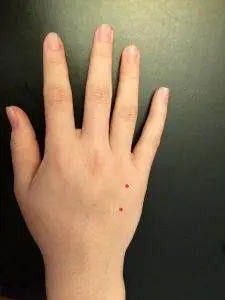
Using your opposite thumb or forefinger, locate the crevice between the bones of your 4th and 5th finger, just beneath the knuckles. Press deeply until you feel tenderness there. Hold the pressure while you gently but vigorously move and stretch your lower spine and hips. Then, drag your thumb or finger down, finding another crevice just above the base where the 4th and 5th metacarpal bones meet. Apply pressure, again, while wiggling and turning from the lower back. This will help release tension and tightness and relieve pain.
 by Qineng Tan, L.Ac., Ph.D.
 Colon cancer is the third most common cancer in the United States with about 60,000 deaths from it every year. Like all cancer, treatment can be long, uncomfortable and come with many side effects. Those getting chemotherapy may experience nausea, vomiting, postoperative pain, cancer related pain, insomnia and anxiety. The chronic pain can significantly impact quality of life. Most patients are prescribed medications such as opioids for pain that have side effects and are highly addictive.