
- Art of Wellness Acupuncture & Traditional Chinese Medicine (TCM)11704 Wilshire Blvd, Suite 295, Los Angeles, CA, 90025
myartofwellness@gmail.com310-451-5522 - Sign up to receive news and updates and get my free report:“The Top 10 Reasons to Try Acupuncture”

Uncategorized
How To Treat Sprained Ankles by Acupuncture and TCM
by Qineng Tan, L.Ac., Ph.D.

Prompt treatment of sprained ankles by Acupuncture and TCM can reduce pain, swelling, and recovery time. Acupuncture improves circulation to alleviate inflammation and generates the flow of endorphins to relieve pain.
A sprained ankle is one of the most common injuries. It can happen to kids and adults of all ages. It can happen when you’re actively playing a sport, or just walking around in your own home. A sprain is a soft tissue injury that results from the overstretching or tearing of ligaments due to the ankle being pushed beyond its normal range of motion by a sudden twist or turn. Ligaments are the strong tissues that stabilize all of the small bones of the foot and support the joint where the leg bones meet the foot. This injury most often affects the outer side of the ankle.
Acupuncture Near Me for Sprained Ankle
Acupuncture treatment can provide immediate analgesic pain relief for soft tissue injuries such as an ankle sprain. The stimulation of appropriate acupoints has been proven to release natural endorphins in the body that reduce pain while also blocking the nervous system processes that signal pain. Soft tissue injuries are those that affect the ligaments, tendons and muscles. Symptoms of soft tissue injuries such as sprains and contusions include pain, swelling, bruising and limited ability to use the affected area. Acupuncture has been used for thousands of years to treat these types of injuries. Inadequate care for a sprained ankle or other similar injury can lead to a long-term loss of mobility and strength in that part of the body. That’s why we recommend you seek acupuncture treatment as soon as possible after the occurrence of the sprain and continue until the area is truly healed.
3 Types of Ankle Sprain
A sprain can be one of three severity levels:
- Grade I
A minor sprain can occur when you are just walking. The ankle turns in sharply, causing the muscles and ligaments to pull and tear slightly. - Grade II
A moderate sprain might happen when running, or because of a fall. In this case, the ankle is twisted further in, causing a partial tear of the ligament. - Grade III
A severe sprain happens because of significant impact—such as a fall at great speed or from a height, or a fall compounded by another person’s weight, such as might happen while playing a sport like football, soccer or baseball. In this case, the ligament might be torn completely. In very severe cases, it may also cause some fracturing of the ankle and/or even dislocation.
The ankle is a wonder of design; it is a very stable joint that not only carries your body weight, but withstands a lot of pressure and impact when you run and jump.
It is really made up of two joints; the true ankle joint is formed by the meeting of three bones–the tibia, fibula and talus—and works like a hinge to create the up and down movement of the ankle. The subtalar joint is formed by the talus and the calcaneus, and allows for the side-to-side motion of the ankle. Ligaments are the soft tissues that connect bones to bones, while tendons are the soft tissues that connect muscles to bones; both are made up of small fibers of collagen. Cartilage is the tough yet soft, slippery tissue that creates cushioning and slip between the bones. A sprained ankle can result in torn tissues in the muscles, tendons or ligaments, damage the cartilage, and in severe cases, may involve fractures in the bones.
The pathology of a sprain begins in the acute stage—the first 1-2 days–with internal bleeding at the injury site. Fluid builds up in the tissues of the joint, which leads to swelling. After a few days, the active bleeding stops and inflammation begins to exert pressure around the area, compressing the blood vessels and slowing down the flow of fresh blood. This results in blood stagnation.
When blood has built up in the joint and stopped moving freely, it has a negative effect on the healing process. Incomplete healing can mean that the ankle loses some of both its stability and flexibility. The tendons and ligaments can become fragile, which means the joint is now more susceptible to re-injury.
Self Care for Sprained Ankles
For immediate home care of a sprain, follow the Universal Rule of RICE.
- R – Rest
- I – Ice
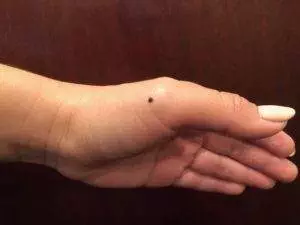
Acupressure Point for Sprained Ankle - C – Compression
- E – Elevate
Ice a new injury for the first three days. Then, begin alternating between ice and heat. For chronic pain conditions, use a heating pad more than cold therapy.
You can stimulate Xiao Jie acupressure point with gentle pressure. Press this point on the base of the thumb joint: right thumb for left ankle, left thumb for right ankle.
Do not massage the area during the first week of recovery. After that, gentle self-massage between the knee and ankle, focusing on releasing tightness in the shin and calf, is best. Don’t walk or put any weight on the foot for 3-7 days, depending on the severity of the injury. When you are ready to begin exercising the ankle, begin with gentle, non-weight-bearing movements.
A good exercise to try is the “A to Z Exercise”:
Lift the injured leg, or cross it over the other leg so the ankle and foot can move freely. Using the big toe as the point of your “pencil,” draw the letters of the alphabet in the air, using at first very small, circular movements of the ankle joint. Gradually, work up to making the letters larger.
After 2-3 weeks, you may be ready to begin engaging in activities that increase the range of motion, yet still keep most of your weight off the ankle, doing exercises such as pedaling a bike, swimming, or walking through water.
Gradually, after 4-5 weeks, you will be able to resume walking on a flat surface.
7 Ways to Prevent Sprained Ankles
A person who has sprained an ankle is more susceptible to future injuries in that area. To prevent such injuries:

- Regularly practice exercises to strengthen and improve the flexibility of the ankle.
- Practice all-over muscle strengthening exercises and focus on balance training.
- Wear properly supportive shoes, both when playing sports and in normal everyday life. (Minimize wearing high heels, flip-flops, etc.)
- Always warm up before engaging in sports and workouts.
- Be extra careful walking on uneven surfaces.
- Wear a stretchy brace if you start feeling soreness.
- Receive acupuncture “tune-ups” regularly to maintain good flow of qi and blood.
It is good to see your acupuncturist as soon as possible after spraining an ankle. We use various modalities including acupuncture, herbal supplements to facilitate healing, and possibly moxibustion to bring more energy to the area. The treatment will focus on stopping the internal bleeding and reducing the swelling of the joint. Minimizing inflammation and maximizing the constant circulation of blood will speed healing and help to ensure that the injury does not become a chronic one.
How to Treat Infertility in Women with Acupuncture and TCM
by Xiaomei Cai, L.Ac., Ph.D.

About one in ten women who are ready to conceive find that they have trouble doing so naturally. Infertility in women is thus a very common condition, one that has a profound impact on women and their partners. Acupuncture and TCM is proven to be extremely beneficial to women who are trying to get pregnant, both as primary and complementary care.
Dr. Cai at Art of Wellness has thirty years of experience, both in China and in the U.S., as a specialist in women’s healthcare and infertility in women. She has studied and worked with some of the most influential doctors in the field in both countries, and has helped hundreds of women achieve healthy pregnancies.
Traditional Chinese Medicine (TCM) is a system of health care that goes back thousands of years. Women’s health care has been a key part of this system all of that time. Conditions such as irregular or painful menstrual periods, ovarian cysts, endometriosis, and infertility have all been recognized, studied and effectively addressed by TCM for many centuries. Women who are having difficulty solving these problems with their medical doctor may find not only relief from pain, but a true solution that addresses their whole being–body, mind, and spirit.
Diagnosis of Infertility in Women in 8 Exact Steps
Any time a woman of childbearing age has a partner with healthy sperm, and they’ve been trying for two years without conceiving, we define this as infertility. But age makes a difference. If the woman is over 35, and it has been one year, we will diagnose infertility.
There can be many factors or causes involved in the infertility diagnosis, some chemical, some mechanical:
- Hormonal imbalances can cause irregular cycles, which means shorter or longer than the usual number of days (28-30), sometimes with no sign of ovulation, sometimes with high FSH (follicle stimulating hormone).
- Fallopian tubes may not be open due to scarring or previous PID (pelvic inflammatory disease).
- Endometriosis or an STD (sexually transmitted disease) can also cause blockage.
- Sometimes the uterus can be congenitally misshapen, or inside there may be fibroids, polyps, lining issues, twisting, chronic inflammation, etc.
- Occasionally, antibodies can get into the cervix and block the sperm.
- In rare cases, the uterus may be tilted to the front or back, positioning the cervix so that it is either very high or very low or over to the side, making it difficult to receive sperm. These patients must rely on IUI (intrauterine insemination) to get the sperm where they need to go.
- Autoimmune issues can cause a woman’s immune system to produce antibodies that reject the sperm.
- Blood incompatibility between the parents–for example, if the woman is RH (Rhesus factor) negative with a RH positive man–can happen sometimes after a first pregnancy or miscarriage. This is more common in older women.
Top 5 Different Causes of Infertility in Women

According to TCM, there are several differentiations of an infertility diagnosis. TCM practitioners differentiate between various causes and treatment plans for dysmenorrhea based on when the pain occurs (before the onset/during the period), the quality and location of the pain, associated symptoms like bloating, the appearance and volume of flow and accompanying emotions and sensations such as dizziness or fatigue. Some types are due to an excess, either of cold, or of stagnation of qi or blood. Others are due to a deficiency of qi or blood.
- Kidney Deficiency – If a woman’s menarche occurred later than usual (typical is age 12-14), that might indicate some weakness of the reproductive system. To perform its normal functions, the uterus needs a rich and plentiful blood supply. Constriction of the capillaries that supply blood to the uterus occurs when there is too much cold in this area. Certain lifestyle behaviors can cause diminishment of ovarian health, sometimes leading to premature ovarian failure. Naturally over the age of 35, many women can begin to show signs of kidney deficiency.
- Blood deficiency – Poor digestion or a diet with insufficient nutrition can create a situation in which blood is not providing enough nourishment to support the ovaries and uterus.
- Liver qi stagnation – Long periods of emotional stress and irritability can cause qi/blood flow to become stagnated, interrupting the flow of energy through the system.This can cause irregular periods or a lack of ovulation. Blockage in the flow of qi restricts the supply of necessary energy to developing eggs, fertilized egg or embryo.
- Dampness – Insufficient nutrition from diet, poor digestion, and/or being overweight can cause dampness and water retention to accumulate in the reproductive system. This condition can lead to pelvic inflammation, PCOS (polycystic ovarian syndrome), painful periods and blockage of qi.
- Blood stasis – Can be caused by physical trauma to the uterus due to surgery or injury. It can also stem from a Cold uterus condition (too much cold exposure or icy-cold drinks/raw food during periods). Lack of proper blood circulation relates to painful conditions such as the formation of clots, ovarian cysts, tumors or fibroids that create a physical blockage. Blood stasis can also lead to thin lining or even absence of periods.
Both kidney and blood deficiency can cause irregular periods, anovulation, short cycles, light flow, poor uterine lining, and the type of pain during periods that is helped by massage or heat.
Blood stasis and dampness can cause endometriosis, severe menstrual pain (not helped by heat or massage), ovarian cysts, strong hormone suppression, and lack of ovulation.
Top 5 Infertility Treatments with TCM

TCM treatments for the different kinds of infertility in women include:
- Acupuncture: In TCM, the objective is always to use the stimulation of specific points to clear blockages in the systems in order to keep qi and blood moving fluidly, clearing the way for harmonious cooperation between the organs involved in the system. Weak areas are tonified, or strengthened, while areas bloated with excess are relieved of pressure.
- Cupping: This is a method of acupressure that uses glass cups to create a vacuum effect in specific points. It is used to dispel stagnation and excess heat and stimulate circulation of blood and qi.
- Moxibustion: burning a stick made of mugwort near a specific acupuncture point is something patients can do at home to help a cold uterus condition.
- Herbal supplements: Herbs can really help to support the woman’s cycle and even re-activate ovaries until average menopause at age 45-55.
- Nutrition and Lifestyle Guidance: An acupuncturist will recommend an appropriate diet for nourishing the whole body as well as correcting any Yin/Yang imbalances. In addition, certain behaviors related to bathing, exercise and even clothing choices may be affecting a cold uterus condition and need attention and adjustment.
TCM Doctors Offer Solutions for Infertility in Women
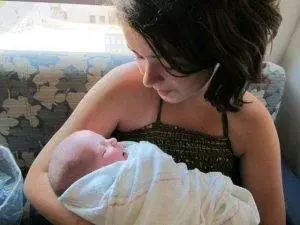
Advances in technology in recent years have been a boon to couples who are struggling, especially for women who have physical barriers to achieving conception and carrying a pregnancy, such as blocked tubes. IVF (in vitro fertilization) allows us to move past these roadblocks with surgery.
However, a woman still needs good hormone levels for better outcomes for conception, pregnancy and birth. For those with elevated FSH or low AMH (anti-müllerian hormone) who require IVF, adjunctive acupuncture and TCM will help to address these problems and increase the chances of success. One German study showed that success with IVF cycle was 15% higher than without acupuncture.
Each woman’s situation is unique and personal to her. Scientific study and medical research are only in recent decades beginning to acknowledge the connections between a person’s thoughts and emotions and her physical well-being, but women intuitively know that their less visible, harder-to-describe feelings are inextricably linked to their reproductive processes. Finding an acupuncturist who really listens and understands this might be the key to reaching a new level of quality of life, as well as realizing a dream of having a child.
For additional resources, visit our Fertility FAQs page. For more examples, visit our success stories of women who found solutions from Dr. Cai’s treatment.
Acupuncture can also effectively treat Oligospermia, low sperm count, and male infertility. If your family suffers from infertility and you are looking for infertility clinics, visit Art of Wellness at Santa Monica, Los Angeles, one of top 19 picks among 825 clinics in the great LA area.
What Is MS? How to Treat Multiple Sclerosis with Acupuncture and TCM
Qineng Tan, L.Ac., Ph.D.
Multiple Sclerosis is a progressive autoimmune disorder in which the body’s defense system mistakenly attacks the protective covering of nerve cells. Also known as MS, it is an autoimmune disease that affects many people in the United States and around the world. MS This leads to miscommunication between the brain and the rest of the body. TCM and Acupuncture are among the best approaches for improving the quality of life and managing symptoms of MS, without the negative side effects that other medicines that cause. In this article, we will learn how TCM diagnoses and addresses MS. We will also look at the cases of a few patients who have worked with Dr. Tan at Art of Wellness and experienced positive results.
Causes of MS
MS is an autoimmune disease in which infections or environmental changes can confuse the body’s defense system. Sometimes a foreign antigen mimics a group of the body’s own proteins. When the immune system response by mounting an attack against these foreign invaders, it inadvertently destroys the foreign antigen along with any similar antigens, including the body’s own tissues.
A recent study shows that a virus called adenovirus type 2 looks remarkably similar to the composition of the protective covering around the spinal cord and parts of the brain—the myelin sheath cells. The attacks of the immune system of this virus along with the mistaken attack on the myelin sheath is believed to be the ultimate cause of multiple sclerosis.
Common symptoms of MS include:
- numbness or tingling, usually in the leg or arm
- muscle weakness
- dizziness
- spasticity
- pain (moderate to severe)
- Ataxia (impaired balance or mobility due to nerve damage)
- tremor
- slurred speech
- blurry, double vision or blindness
- bladder malfunction
- bowel dysfunction
- sexual dysfunction
- depression
- euphoria
- cognitive abnormalities
- fatigue
- facial pain (Trigeminal Neuralgia)
How to Treat MS
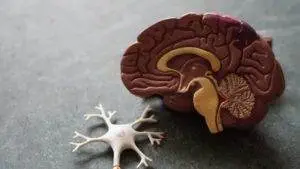
Unfortunately, there is no cure for MS yet. In Western Medicine, the treatment focuses mainly on decreasing the rate and severity of relapse. Beta interferons, anti-cancer drugs (to weaken the immune system), and steroids are commonly used for the treatment of MS. These medicines can reduce the number of MS lesions, delay the progression of the disease, and provide symptomatic relief for the patient.
A condition called “Wei Syndrome” with symptoms similar to MS, was documented 2000 years ago in a classic Traditional Chinese Medicine textbook called the Yellow Emperor’s Classic of Medicine. Acupuncture and Traditional Chinese Medicine has been involved in the treatment ever since. MS patients who have tried acupuncture report improvement in pain, spasticity, numbness and tingling, fatigue, depression, anxiety, bowel and bladder function.
Most commonly, MS first manifests itself in a series of attacks followed by complete or partial remission as symptoms mysteriously lessen. These symptoms, however, will return later after a period of stability. This is called relapsing-remitting (RR) MS.

Dr. Tan Case Study – Diagnosis of MS
Mr. M, a healthy 50-year old gentleman, first visited my office a few years ago. As an attorney, he had been working very
hard to support his two daughters, who were both in college. About four months previous, the onset of severe lower back pain along with tingling in his left leg changed his life completely. He saw several doctors, had a number of x-rays and an MRI which revealed a moderate bulging disk on L4-L5. He tried different pain pills, NSAIDs, and underwent three months of physical therapy, none of which helped. Recently, he had been experiencing numbness and weakness in his left leg, and was suffering from depression due to his inability to carry on with daily work and regular activities. When he talked to me, I noticed that he constantly rubbed his eyes. I asked if he felt any abnormalities in his vision. He answered yes, and that he had periodic occurrences of blurred vision. When I suggested that he show me how he walks, I noticed his poor balance. He tended to fall on his left side because his left leg did not seem to follow his motion. Then I checked his knee and ankle reflex and found that they were excessively active. I was almost certain that the condition that made him suffer so much in the last few months was not a simple bulging disk or sciatica; it was a disorder of the central nervous system: Multiple Sclerosis. Immediately, I referred him to a neurologist and suggested that he have a brain and cervical MRI. Two weeks later, he came back to my office with a confirmed diagnosis of Multiple Sclerosis.
Mr. M. is just one of 200 patients who are diagnosed with MS every week in the United States. There are about 400,000 people in the U.S. and 2.5 million patients who are suffering from this disease in the world.
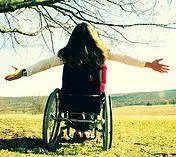
Patient Testimonial – Gilly
“I was diagnosed with Relapsing Remitting MS in 1991 and I had no idea what a crazy, unpredictable journey I was about to embark on. I woke up one morning, tried to get out of bed but my legs were like jello, I had no balance and had double vision. I was given a spinal tap and MRI and lesions were detected on my brain & cervical spine.
When first diagnosed, my neurologist put me on one of the few FDA approved medicines for MS which don’t cure the disease, but delay the progression. For that I inject myself daily and have done so for seventeen years. For the first seven years after being diagnosed, I experienced relapses (flare ups of symptoms) on average twice a year. The treatment for relapses was a five day course of steroids administered through IV, followed by twelve days of oral steroids. The relapses affected my motor skills the most, especially walking, but after a treatment of steroids, I was almost as good as new.
My friends suggested that I try acupuncture. I was recommended to Dr. Tan because he had studied MS in China. Dr. Tan has been monumental in my life. He has given me treatments for a multitude of injuries I’ve suffered over the years due to frequent falls and is an expert in pain relief. He treats me for stress relief which contributes to my general well-being. Dr. Tan is very knowledgeable about Western medicine and MS treatments, so I always ask his opinion.
I’ve now been diagnosed with MS for twenty-one years and feel fortunate that Dr Tan has been treating me for a large part of that time. Although I partake in Western medicine, I know that Western medicine only treats the symptoms, but Eastern medicine treats the cause of the symptoms. My MS has progressed to the stage that I now use a wheelchair full time. I go to acupuncture for preventative care. My immune system needs extra help, especially during cold and flu season.
I am very aware that MS is a ‘designer’ disease, and no two people have the exact same symptoms. I would encourage anyone with MS to avoid stress, keep up a healthy immune system and try to stay positive and happy, because your emotional state affects your physical being.
Self-Care for People with MS
Maintaining a healthy lifestyle is very important for the MS patient. This includes:
- Getting enough time to sleep and rest. Early bedtime is best.
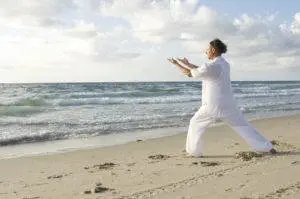
- Exercise regularly. Tai Chi and Yoga are very good to help with relaxation, balance and muscle strength.
- Balanced diet, including a lot of vegetables and enough protein from white meat.
- Stress management
- Daily meditation and positive thinking
- Staying connected with friends and joining a support group
Our clinic has been chosen as one of the top 19 picks among 825 acupuncturists in the greater Los Angeles area. Dr. Tan is an expert in neurological conditions such as MS. Many patients like Gilly and Mr. M have been able to gain more control over their symptoms with their treatments at Art of Wellness. If you or someone you know has MS, call and visit our Santa Monica clinic to experience the best care available.
Happy New Year 2020 – Year of the Rat
Qineng Tan L.Ac., Ph.D.
Gong Xi Fa Cai! We wish you congratulations and prosperity in the New Year!
The Chinese Zodiac, like the Western Zodiac, is comprised of twelve signs, characters signified by animals. Like all of the Taoist arts, Chinese Astrology operates on both the microcosmic and macrocosmic levels. The twelve signs are used to divine information about the personalities of people born under those signs, and also to give meaning and context to the events that occur globally over the course of that year. Check here to find the sign of your birth year.
In the year 2020, we greet the Rat. The Rat is the first of the twelve signs. This means we are beginning a new cycle. According to legend, the Jade Emperor set a challenge to create the order of the signs – they would be arranged according to their arrival to his celebration feast. The Rat and the Cat hopped lightly up onto the Ox’s back, unbeknownst to her, and hitched a ride. As they were crossing a river, though, Rat bumped Cat off into the water. (Accidentally or intentionally? At any rate, this story explains why Cats chase Rats, and why there is no Cat in the Zodiac.) When the Ox was about to cross the finish line, Rat jumped down and landed before the Emperor first!
So, the Rat is a bit tricky and opportunistic, but also quite clever and resourceful. Being first in the cycle, he represents the dawning of a new day, with plenty of Yang energy. Rats’ ability to multiply in numbers makes them a potent symbol of fertility and abundance.
Each circle of twelve years also brings through a new cycling of the elemental energies that develops over the course of a 60-year calendar. Rat of 2020 is Metal. Metal rat is relatively grounded and stable. On the surface, he is always positive and sure of himself, but in secret, he worries that he is not always in the right.
Rat’s optimism and dynamic personality make him popular, even though his way of expressing himself might seem a bit brash or even downright rude. Rats know how to make the best out of a bad situation. They like to hoard rather than spend. This can be thrifty, but might also lead to hanging on to things that aren’t essential.
Rats tend to run around in a burst of energy and then get tired and sick. They also tend to get busy and forget to eat, and then eat too much of the wrong things. So, let’s all remind ourselves to pause frequently for rest and nourishment, setting ourselves up to do well when it’s go time.
From our Art of Wellness family to yours, we wish you good health and all the very best that the New Year has to offer! Read more about our favorite New Year traditions here. And for advice on making the most of your resolutions, read more here.
Feng Shui for the Chinese New Year

Feng Shui is the ancient art and science of creating harmonious living and working spaces. It is part of the Taoist traditions that also include Traditional Chinese Medicine and modalities like Qi Gong and Tai Qi. Like these other practices, Feng Shui is a way of purposefully directing energy – “Qi – to create a beneficial outcome. People often consult a professional when they are moving into a new house or work space, or trying to create more growth in some area of their lives. When it comes to greeting the new year with hope and purpose, Feng Shui a great way to align actions with intentions.
In the context of Feng Shui, every space has a map. This map indicates the difference areas of energy within it that correspond to other aspects of life, and can be used by the people who inhabit it as a guide for which direction to take.
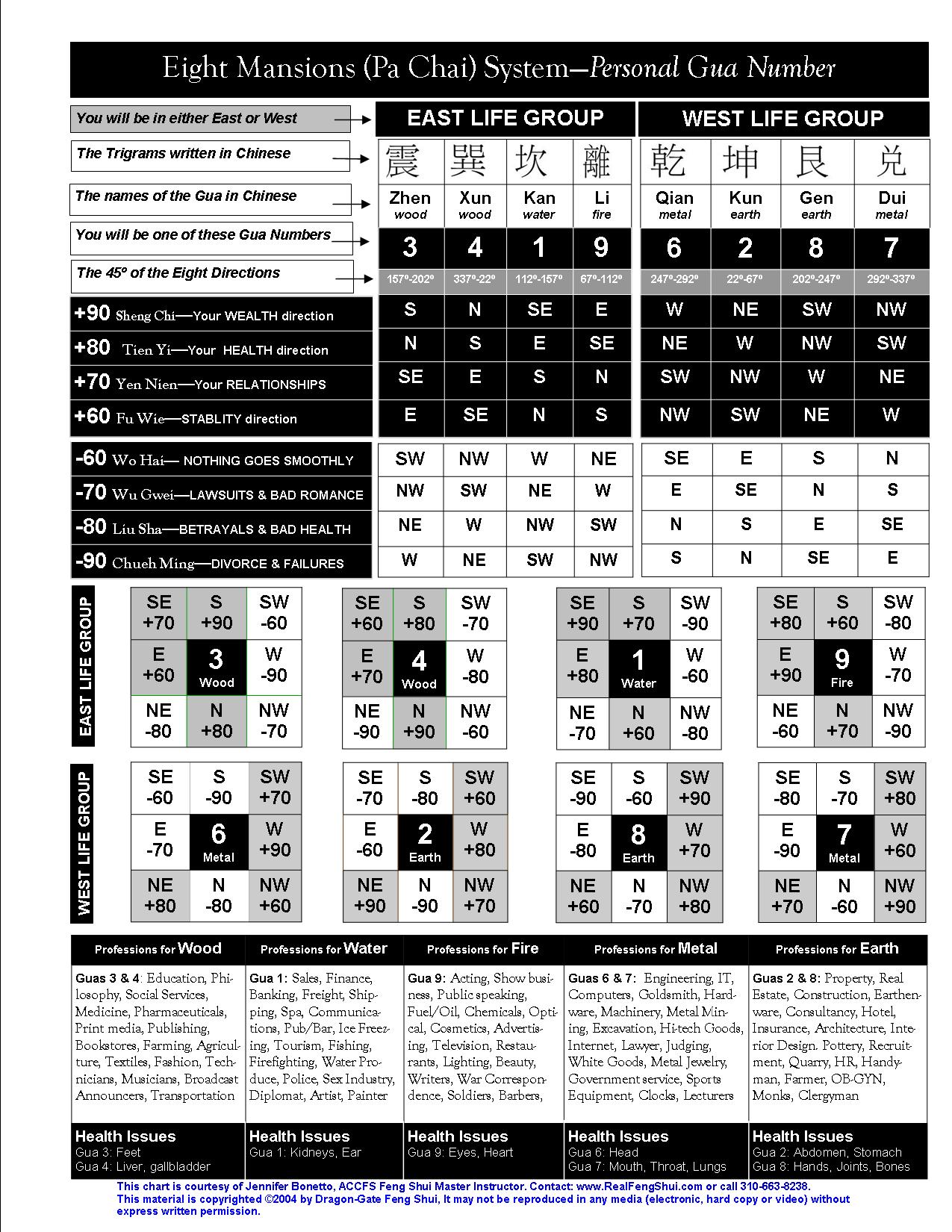
Harness your best energy in the new year by first deciding on your focus: increasing your financial wealth, improving your physical and mental health, or improving your relationships with others. To find the directions within your home or office space, use a digital compass. Then, find your Gua number, based on the year of your birth. Finally, find your number in the Eight Mansions chart to show you which way to direct your energies so that they find the most fertile ground.
To bring positive energy flowing towards your health, wealth and love, turn your bed so that your head is pointed towards the right direction while you sleep. Turn your desk that way, too, and if you are meeting new clients or love interests, be sure to face your key direction as you shake hands. Any place in your home that you spend a lot time, arrange yourself to be facing your goal orientation.You may begin to feel results right away, but be patient. It can take up to three months for the changes to be fully felt.
Chinese New Year Recipe – Lucky Stir-Fry
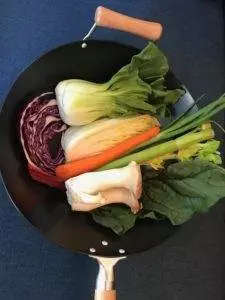
Many traditional recipes populate menus for the New Year celebration, but the important thing is to serve and eat foods that signify some type of luck to be sought and welcomed in the upcoming year. It’s possible to create a beautiful and meaningful dish that’s entirely plant-based, too. The Chinese word for “abundance” – “shi” – also means the number “10,” so some people like to serve a dish with ten different types of vegetables. But add as many you find appealing and keep things simple with a stir-fry. Start with a little bit of cooking oil, then add one or two aromatics, such as scallion, garlic, ginger, chilies. Once it’s hot, add your harder, crunchier vegetables first, then in another minute, toss in the softer, leafier ones. Add a little water to create some steam, then finish with a drizzle of sesame oil and soy sauce.
Symbolism of Vegetables
cilantro – compassion
bean sprouts – abundance
napa cabbage – prosperity
bamboo shoots – a fresh start
cashews – gold, money
Coconut – togetherness
Mushroom – longevity
Peanut – stability and growth
Pumpkin – success for one’s children
Sticky rice – the family staying together
Snowpeas – unity
Everything about your veggie stir-fry signifies freshness, and eating it certainly bodes well for your future health.
“Fú shòu shuāng quán.” “May you enjoy both longevity and blessing.”
Five Reasons to Get Acupuncture for Low Back Pain
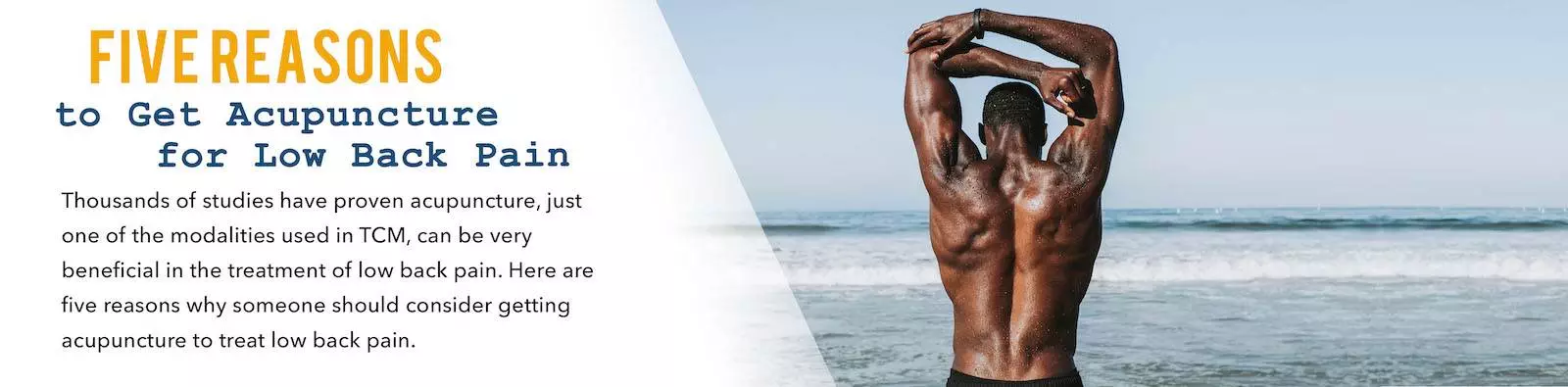
Statistics show eight out of 10 people will experience low back pain at some point during their life. Seeking medical treatment for back pain is very common. Typically back pain is fleeting and can be easily resolved with rest, heat and an occasional anti-inflammatory like ibuprofen. However, once the damage is done, the recurrence of back pain can be as high as 50 percent. Part of this is because as we age, things like muscles and tendons become less flexible and pliable. It is also very well known in the United States, people are too sedentary and this leads to excess weight gain that can create added pressure on the body, especially the low back. continue reading