

- Art of Wellness Acupuncture & Traditional Chinese Medicine (TCM)11704 Wilshire Blvd, Suite 295, Los Angeles, CA, 90025
myartofwellness@gmail.com310-451-5522 - Sign up to receive news and updates and get my free report:“The Top 10 Reasons to Try Acupuncture”

Traditional Chinese Medicine
New Year Traditions
By Xiaomei Cai, L.Ac., Ph.D.
In China, the New Year celebration is the biggest holiday of the year. Everyone makes a great effort to reunite with family members and spend some time together.
In the days leading up to the New Year, the focus is on cleaning the house, decorating, and making feng shui adjustments that suit with the new energy arriving. The Monkey’s flower is the Chrysanthemum, so there will be profusions of these festive flowers in evidence everywhere.
The New Year’s Eve dinner is the feast of all feasts! Dish after dish arrives at the table. The sense of having more than enough is important – it represents the hope that there will be food aplenty for everyone throughout the year. Likewise, many of the individual dishes are symbolic. For example, the essential fish and dumplings mean “prosperous” (these are a play on words), while noodles and long beans are representative of “long life.”
Shou Sui means “after the New Year’s dinner,” and refers to the tradition of staying up at least until midnight to watch the fireworks – but many family members stay up all night, talking and catching up with relatives and friends they have may not have seen all year.
There are different ways of wishing people “Happy New Year,” depending on what region of China you are in. We are from Southern China, where our traditional greeting is “Gong Xi Fa Cai!”, which means “congratulations and prosperity.” Other greetings are:
- Wan Shi Ru Yi: everything follows your will
- Ji Xiang Ru Yi: harmony and everything follows your will
- Sui Sui Ping An: harmony and safety year around
The themes of the New Year, as you can see, center around harmony, prosperity, safety and good health.
2017 Year of the Fire Rooster
by 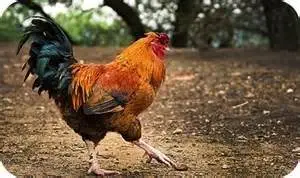 Qineng Tan, L.Ac., Ph.D
The Chinese calendar welcomes the New Year on January 27, 2017: the Year of the Fire Rooster.
It will probably come as no surprise that one of the Rooster’s outstanding characteristics is punctuality. The rooster crows to get us all up and moving and ready to face the day. Smart, confident, not afraid to speak up, the Rooster has lots of energy and self-discipline. The Rooster is raring to go, with lots of ideas, and doesn’t want to have to wait for others to catch up. This is the year of the Fire Rooster, which specifically points to trustworthiness and a knack for handling money. So, all of us should take note – this is the year to start a beneficial morning routine and keep our finances well-organized.
The Rooster takes pride in his fine feathers and has been known to strut around, showing off and being overtly flirtatious. He might tend to lecture a bit too much and be a little bit too certain that he is always right, but make no mistake – he is paying attention and noticing everything about others, too. Roosters are a great communicators who enjoys giving gifts and creating a welcoming environment. They don’t hide or keep secrets; they put themselves out there, just as they are.
Roosters can be impatient and tend toward perfectionism, so they are bound to feel high levels of stress at times. For everyone this year, the challenge is to find time and ways to channel the energy – cardiovascular exercise like running and swimming are beneficial – and relax – by spending time outdoors and travelling. Make a point of eating regularly and healthfully, no matter how busy you are, and keep up with preventative health measures like getting acupuncture treatment.
We wish you and your loved ones the very best in health and happiness in the coming year. From all of us at Art of Wellness, Gong Xi Fa Cai!
Here are some ideas for creating a morning routine inspired by the Rooster:
- Rise with the sun.
- Drink a cup of warm water with sliced lemon, then wait 30 minutes before eating.
- Take time to meditate and set your intentions for the day. Get some fresh air and do some breathing exercises before you start checking your emails and the news.
- Eat a breakfast of whole grains.
Going Deeper: The Kidneys
The organs in Chinese medicine are more than just a physical representation. The organs include not only their physiological function, but also mental, emotional, spiritual and elemental qualities that align with nature and the seasons. Let’s explore the kidneys.

The kidney element in Chinese medicine governs water and is associated with the season of winter, where the energies are turning from the hotter yang months to the more yin of winter. Each organ has an element associated with it: liver and wood, stomach and earth, kidney and water, for example. There is also an emotion, a color and flavor associated with the organ system. For the kidneys, the emotion is fear, the color is dark or black and the flavor is salty. It also opens to the ear, has the direction of north and is paired with the bladder. The kidney element houses willpower and manifests in the teeth and luster of the hair. continue reading
Why am I so TIRED…and how to fix
 A very common complaint that acupuncturists hear from our patients is that they constantly feel tired. Sometimes this fatigue is related to lack of sleep, but sometimes no amount of rest seems to alleviate the sleepiness.
From an acupuncture and Chinese Medicine perspective, there are numerous imbalances in our bodies that can cause the constant fatigue. Here are some of the most common imbalances that can lead to fatigue, lethargy, lack of energy and motivation, and tiredness. continue reading
Who’s Pushing Your Buttons?
By Qineng Tan, L.Ac., Ph.D.
Everybody wants to be happy. But, who is in control of your feelings? You? Somebody else? Life itself?
Once, I had just flown back to L.A. After waiting in a long line, I managed to get a taxi.
When I got in, the driver asked, “Where to, sir?” He sounded nervous.
“Santa Monica.”
“OK! That’s better,” he said, pleased.
“Why?” I asked.
“This morning, I’ve been driving around and around the airport. Finally I had one customer. I asked him where he was going, and he says, ‘Manchester.’ That was it! It made me so sad.”
I was laughing. “Oh, I see. So you have two buttons in your heart? One is for happy, and one is for sad? The passenger who goes to Manchester pushes the sad button, which makes you unhappy, then the one who goes to Santa Monica pushes the happy button and makes you happy for the rest of the day?”
The driver smiled. “Yeah! Isn’t that interesting?”
Just like the cab driver, most people allow their emotions to be controlled by people and events outside themselves. They go through life being very careful not to let anybody touch their sad buttons. When the button is pushed–the boss gets angry, the kids won’t listen, or the traffic is terrible–there seems to be no choice but to react negatively.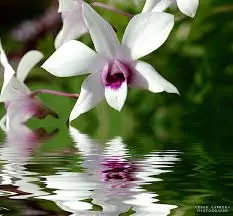
This reminds me of a story. A monk who loved Chinese Orchids had planted one in a pot and raised it for many years. When he had to go on a trip, he asked one of his students to take care of the plant. The day before the monk returned, the student, who had been caring faithfully for the flower, accidentally dropped the pot, and the orchid died. The student felt awful and approached the monk fearfully to apologize.
But the monk said, “I raised the orchid because it gave me joy. Why would I be sad or angry now that it is gone? Why turn all my happiness to sorrow?”