
- Art of Wellness Acupuncture & Traditional Chinese Medicine (TCM)11704 Wilshire Blvd, Suite 295, Los Angeles, CA, 90025
myartofwellness@gmail.com310-451-5522 - Sign up to receive news and updates and get my free report:“The Top 10 Reasons to Try Acupuncture”

Uncategorized
Cupping Therapy
Cupping Q & A
By Qineng Tan, L.Ac., Ph.D. & Xiaomei Cai, L.Ac., Ph.D.
What is cupping?
Cupping is a healing modality that uses suction to move blood and energy (Qi) from inside the body out towards the surface. It encourages more blood flow in a particular area. It is usually used as an additional treatment in conjunction with acupuncture and/or massage.
How does it work?
There are a few different techniques. Most commonly heat is used: a flame is lit inside a glass or bamboo cup, which burns oxygen to create a negative pressure. Then the cups are placed against the skin in the affected area, usually along a meridian line. Another way is to use a pump to pull air out of the cup. A cup might be firmly attached to one localized area for 10-15 minutes. Another technique is “moving” or “walking” cupping, during which the cup might be moved around along both sides of the spine or in a circular motion on the back.
Where does cupping come from? How long have people been doing this?
Many ancient healing traditions, particularly from Asian and Eastern European cultures, have used cupping as part of their healing systems. In China, the documented use of cupping for medical purposes goes back for 3000 years.
What kind of cups are used?
Traditionally, cups were made of bamboo or clay. Nowadays, we most commonly use cups made of smooth, rounded glass that can be sterilized.
What kind of health condition is cupping good for?
- Injuries that involve blood stagnation, such as muscle strain, benefit from having excessive blood removed, reducing swelling and inflammation in the area.
- Arthritic pain can be relieved by removing dampness and blood stasis to reduce inflammation.
- Muscle spasm, stiffness and tightness due to tension can be released by cupping.
- Cold or flu at the very beginning. Cupping can help stimulate the body’s defense system to fight off viral infection.
- Detoxification: cupping can help remove pathogens and is very helpful when going through a detoxification process; it helps draw toxins out from deep in the internal organs.
These are just a few of the most common reasons we might use cupping, but there are many times that it can be helpful. Many conditions that involve stagnation or blockage in the body, such as chest (cold) congestion or coughs, even asthma, can be alleviated by the heat and suction that cupping on the upper back creates.
What sort of condition would cupping NOT be good for?
Cupping is not for every body or every condition. If you are weak, suffering from some type of physical deficiency, then cupping could draw energy out of you, weakening your body further. In that case, acupuncture, moxa and herbal treatment without cupping would be better, because they work to strengthen the body.
Are there any side effects?
Those round bruises you have seen in pictures are very common. This is actually a good sign; it shows that blood has been brought to that area and concentrated there. The bruises may last about a week, but they are nothing to worry about. It is also possible that occasionally a blister will form. This, too, shows that fluid has been pulled towards the surface. Blisters should not be popped, just left alone to be absorbed and healed naturally.
Obviously, it is crucial that cupping be performed by someone who is trained and experienced with this technique. Care must be taken so that the skin is not burned, and the timing is very important to achieve the desired results.
How many cupping treatments would I need?
Cupping is not done “in a vacuum.” Normally, cupping would be part of a broader treatment, involving acupuncture, herbal formulae, massage, and other modalities. How many treatments you might need depends on the history and severity of your condition. For example, when people go through our One Week Detox Program, they receive 3 treatments combining acupuncture and cupping over a period of 7 days.
What do I do after I’ve had cupping?
We advise that people do not bathe or swim for at least 2 hours after a cupping treatment. Also, avoid drinking or eating anything icy cold, or exposing yourself to wind. Stay warm, drink tea. Cupping “opens up” channels in the body, allowing energy and fluid to get out. We don’t want anything cold and damp “getting in” at this time.
I’m ready to try cupping! What should I do?
Call us and schedule an appointment! 310-451-5522
Dr. Tan’s Tips for Managing Stress
Cultivate practices that help you
release stress from body and spirit.
How to Manage Stress
Acupuncture is one great way to help you manage your stress and protect you from permanent health damage. Even though y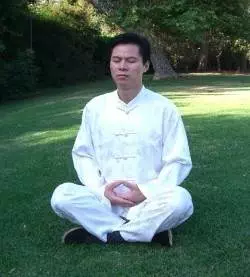 ou may not be able to avoid stress, you do have the power to manage stress better so that it can’t build up, hurt you internally, and turn into serious health issues.
Here are some things you can do in your daily life to manage stress.
- Change the way you view problems. It is human nature to protect ourselves from danger by recognizing the negative energies coming at us. But we can become too accustomed to looking for the “dark side.”A lot of time we needlessly take things negatively. Say, you wake up to the sounds of a bird, chattering in a tree. You can think, “Ah, the beautiful music of nature!” Or you can get annoyed. Same situation, different response. Learn how to think positively. Often I ask a patient to “show me your hand.” They show me the palm side, but don’t think to look at the back of the hand. In the world, nothing can exist that has one side only. This is the concept of Yin and Yang; nothing is only good or only bad. There is good and bad in everything. Learn to pay attention to the positive.
- Connect yourself to nature; consciously choose to make yourself one with the Universe. Connect to energy outside of yourself by going to the mountains or the beach, walking barefoot on the sand and listening to the waves. Sit by a river and feel the flow of the water. When you feel anger inside, go out and face something – a mountain, or the woods – breathe out, remove that negative energy from your body, absorb positive energy; make that exchange. By doing this, you gain the perspective of playing a small, yet integral part within the greatness of the universe. This will release stress and give you new strength.
- Learn some techniques: Tai Chi, yoga, meditation, Qi Gong. Tai Chi, for example, trains you physically and emotionally at the same time, training your internal Qi. Deep breathing will make your body more balanced and calm; exhale negative energy and inhale fresh air and energy.
- Regular physical activity, especially cardiovascular energy. Walk, jog, bike, swim – better to do this outside than in the gym.
- Encourage yourself to engage in some social activity. Stress can cause sadness and depression. People tend to close themselves off. So, you must push yourself to go out, keep up your activities. Talking with friends will release the stagnation from your body and mind. Sign up to volunteer; helping other people will reduce your stress.
- Take time for a hobby. Whatever you enjoy: walking, swimming, reading, listening to music, going to dance class, fishing, golfing. Do it regularly. But it should be something active for your body or mind. Inactive pastimes– like watching television or playing video games, surfing the internet–may seem relaxing, but they can actually increase stress long term. Keep time spent on those passive activities to a minimum.
- Work on your sense of humor! When you laugh, you are happier and so are others around you. They will turn back to help you when you need it.
Managing stress will pay off, not only by making you happier, but probably also allowing you to enjoy a longer and healthier life. Not only will it help you to recover from existing conditions you might have now, but it can also prevent other conditions from becoming serious in the future.
You have my best wishes for your health and happiness.
Don’t Let Stress Hijack Your Health

It isn’t all in your mind. Stress affects your health at every level. Learn how to combat the negative effects of stress on your body, mind and spirit.
by Qineng Tan, L.Ac., Ph.D.
“But he was so young!” “But there wasn’t anything wrong with her!” Have you heard of someone you know–maybe a friend or a relative, maybe someone famous you admire–dying, suddenly? It’s hard to take it in; we don’t want to believe that these things can happen, especially when someone is only in their middle ages. It forces us to look at our own lives. Are we taking the time to take care of ourselves? Or are we rushing around from one crisis to another, always stressed out?
Stress is the body’s natural reaction to any difficulties that appear in our lives, physically or emotionally. It’s a normal response to adverse conditions. It’s actually healthy to experience some low-degree, short-term stress occasionally, because this lets the body practice protecting itself. Unfortunately, our modern lifestyle creates a lot of stressful situations for us to endure, and most people are not taught or encouraged to release the effects of stress from our bodies and minds. When stress builds up, it can lead to serious health problems. It may be that when you go to an M.D. who orders tests, nothing shows up in a scan or a blood test. But that may not mean you don’t have a serious problem.
Chronic stress can cause a variety of symptoms and illnesses and affect overall health and wellbeing. Many diseases, including 90% of cancers, can be linked to stress. A recent study from AARP found that 37% of adults over 50 have experienced a major stressful life event in the past year. Job changes, the illness or death of a family member, relationship issues, financial or business difficulties, caring for and educating children – we all face these stressors at one time or another. For some people, the problems begin in childhood. If a child experiences trauma–parents fighting, or bullying at school, for example–that kind of severe stress can develop into permanent health problems as he or she grows up.
TCM is based on the philosophy that the body, mind, and spirit are inextricably linked. It is only in recent years that Western science has begun to acknowledge the connection between the emotions and our physical health. In TCM, we always look at the whole person. If the emotions are out of balance, the body’s functions will be, too. Keep in mind that without a spirit, the body is nothing more than a container: a box. Likewise, if the body is not healthy, the spirit doesn’t have a good home to live in. That is why we treat stress, emotional fluctuations, and balance the body’s organ systems all at the same time with acupuncture.
What Stress Can Do To Your Body
Stress can affect all systems in the body. It starts with the central nervous system and the endocrine system. When something unusual happens, the brain gets a signal: something needs to be done! The brain sends out a message, alerting the body to start producing hormones like adrenaline and cortisol. Adrenaline increases the heart rate, elevates the blood pressure and boosts energy supplies. Cortisone increases sugar in the bloodstream, enhances the brain’s use of glucose and increases the body’s ability to repair tissues.
In the short term, the body is doing what it needs to protect itself. But if you are under this kind of stress constantly–think about it–your body will keep producing adrenaline, causing the heart to beat constantly at a high rate and keep the blood pressure high. Eventually, the body will become exhausted, leading to chronic fatigue, hypertension, diabetes, risk of stroke and heart attack. The lungs become vulnerable, which can trigger asthma. When the cortisone level is high, it causes a constant immune response. Eventually, the immune system becomes imbalanced.
Long term stress can cause the body to lose the ability to shut off the alert that says something is wrong: what we call the “fight or flight” response. Say you send a soldier to a war zone. The soldier’s job is to shoot the enemy. When the enemy approaches, the soldier starts to shoot. But if the soldier is there fighting for days, weeks, years, and his job is to keep shooting, at some point he stops recognizing who is an enemy or who is an ally. He will shoot anybody. Likewise, the body loses the ability to recognize what is good and what is not good. This is what creates an autoimmune condition, like ALS, MS, lupus, or rheumatoid arthritis.
When a person is under chronic stress, the liver has to work much harder. We rely on the liver to clean the blood, but if it gets tired out, it can’t do its job. So toxins don’t always come from outside the body; they can come from stress, when the body becomes more acidic and toxic, increasing inflammation and risk of cancer.
When we’re upset, the appetite changes, causing us to eat too much or too little, affecting our nutrition. Many digestive problems are related to long term stress: heartburn and reflux, ulcers, cramping, nausea, vomiting, obesity, constipation, bloat, IBS, diarrhea. Sometimes stress shows itself externally, on the surface of the skin, as with eczema or psoriasis.
Stress causes the muscles to become tight and makes the nerves more sensitive. This causes more pain and inflammation.
The reproductive system and the sex drive are, naturally, affected by hormone imbalances, too. For women, this can cause PMS, fertility issues related to ovarian function, blocked tubes, or unstable uterine lining, and more severe menopausal symptoms. For men, long term stress can cause the testosterone level to drop, the prostate and the urethra to become inflamed and prone to infection. With all of this, it is no wonder that libido and sexual function take a dive, too.